Blog

  • Yangshuo’s Last Family-run Homestays

    Yangshuo’s Last Family-run Homestays

    I grew up in Yangshuo, watching this small market town transform from a quiet riverside community where everyone knew each other into one of China’s biggest domestic tourism destinations. My grandmother used to sell oranges at the West Street market. Now that same corner has a Starbucks. And a Dairy Queen.

    I’m not saying that’s bad—Yangshuo needed economic development, and tourism brought prosperity to families who were subsistence rice farmers twenty years ago. But something got lost in the transformation, and if you’ve been visiting Yangshuo for any length of time, you’ve felt it too.

    When I started working as a guide at Yangshuo Mountain Retreat in 2015, there were still dozens of small, family-run guesthouses where you’d meet the owner’s grandmother at breakfast, where staff would remember your name when you came back the next year, where the cook would ask if you liked spicy food and adjust the chili level just for you. Almost all of those places are gone now.

    Not because they failed, but the families running them got tired, got older, or got better offers. It’s easier to rent your building to an outsider and collect monthly income, than to work sixteen-hour days learning English, managing bookings, and fixing broken toilets in the middle of the night.

    I don’t blame them. Running a guesthouse is exhausting. But I miss what those places offered: the feeling that someone actually cared whether you enjoyed Yangshuo, not because it was their job, but because you were staying in their home.

    There are four places left in Yangshuo that still operate that way. They’re all different—different locations, personalities, and styles, but they share something increasingly rare: they’re run by people who are personally invested in your experience because this is their life’s work, their family business, their reputation.

    If you want to understand what Yangshuo homestays used to feel like, before “boutique minsu” became a marketing term that every hotel uses—these four are definitely worth a stay. Not because everything else is bad, but because these four are different in ways that matter.


    What Makes a Homestay Feel Different?

    I’ve led hundreds of tour groups through Yangshuo over the past decade. I’ve stayed at dozens of hotels, guesthouses, hostels, and “minsu” (民宿 – homestays) across town.

    The difference between a family-run place and a professionally managed hotel isn’t about cleanliness or amenities or even price, it’s about whether the people serving you actually care. At a professionally managed hotel, staff are trained to smile, to be helpful, to follow procedures. Hopefully, they’re good at their jobs. But when the shift ends, they go home. The guests are not their problem anymore.

    At a family-run place, the owner lives there. The staff are often family members or neighbors who’ve worked there for years. When you ask for restaurant recommendations, they’re sending you to their cousin’s noodle shop or the place their family has eaten at for thirty years. When something goes wrong, they fix it immediately because it’s their their home, reputation, and family business. You’re not a transaction. You’re a guest in their house. That’s what these four places still offer.


    The Four That Are Still Family-Run

    1. Yangshuo Village Inn — The Original at Moon Hill

    Location: #26 Li Cun, Moon Hill Village, 8km (15 minutes) from Yangshuo town, 5 minutes from the Guilin highway entrance
    Run by: Gloria and Little Fish (Yu family sisters, local to the area)
    Since: 2008
    Rooms: 13 total (8 in main building, 5 in restored mud brick Farmhouse)

    I’ve known Gloria and Little Fish for almost 20 years. They’re from nearby villages, and they run the Village Inn the way their families would run it—with warmth, attention to detail, and genuine care.

    What makes Village Inn different isn’t the awards (though they’ve won 10 TripAdvisor Traveler’s Choice Awards) or the location (though Moon Hill is stunning). It’s that the Yu family still lives next door.

    When you check in, you’re not meeting a front desk clerk reading from a training manual. You’re meeting Gloria or Little Fish, and they’ll remember you when you come back, even years later. The breakfast fruit come from the pomelo grove at the entrance, or a neighbor’s orchard—fruit the family has been harvesting for generations. The complimentary tea snacks are things they pick, dry, or make themselves.

    The Village Inn also does something most family-run places couldn’t manage: they innovated. They built a cooking school. They created a rooftop restaurant (Luna) that serves very nice Italian food alongside local specialties. They adapted to changing tourism without losing their family-run character.

    That’s rare. Most small guesthouses either stayed stuck in the 2000s cheap Western backpacker model and failed, or sold out to outsiders. Village Inn found a third path.

    What guests notice:

    • Staff remember you and mention you by name in conversations
    • Eco-friendly touches (solar water heating, local food sourcing) that feel genuine
    • Gloria and Little Fish personally help plan activities and give local advice
    • The mud brick Farmhouse is the last one preserved in Moon Hill Village
    • Rooftop dining with Moon Hill views and Italian food trained by two Italian chefs over the years
    • Cooking classes that teach actual family recipes

    Best for: Families, couples, anyone who wants a peaceful countryside base near Moon Hill with personal service and local character.


    2. Eden Inn — The Multilingual Village Escape

    Location: Chaolong Village, 6km outside Yangshuo town
    Run by: Eric and Sammie (now with newer management team, but maintaining the same approach)
    Rooms: Small-scale village guesthouse

    Eden Inn is tucked into Chaolong Village, far enough from West Street that you feel like you’ve escaped Yangshuo’s crowds entirely. The Yulong River is an 8-minute walk away. The village around it is still quiet, still agricultural, still real.

    What makes Eden Inn special is language. The owners and staff speak English, French, Spanish, Mandarin, and Cantonese—which sounds like a small thing until you realize how rare that is in Yangshuo outside of big hotels. For international travelers, especially European guests, this makes an enormous difference.

    But it’s not just about language. Reviews consistently mention that the owners personally engage with guests—sitting at the bar to discuss tomorrow’s plans, recommending hidden spots, helping arrange transportation. It’s the kind of attention you get when the people running the place are genuinely invested in whether you have a good trip.

    The bar is well-stocked with imported drinks. There’s a pool table, billiards, and a relaxed social atmosphere. Breakfast gets praised repeatedly as excellent. The rooms are clean, simple, and comfortable.

    It’s not fancy. It’s not trying to be. It’s just a well-run village guesthouse where the people operating it actually care.

    What guests notice:

    • “Eric and Sammie are amazing—made my stay memorable”
    • Multilingual service feels personal, not corporate
    • Peaceful village location away from tourist chaos
    • Owners help plan entire trips with local knowledge
    • Social atmosphere—easy to meet other travelers “
    • Felt like staying with friends, not a hotel”

    Best for: International travelers who want English/French/Spanish-speaking hosts, peaceful village setting, and personal trip-planning help.


    3. Monkey Jane’s — The Legendary Rooftop

    Location: Central Yangshuo (alley behind Guihua Rd), plus riverside location at Pubutang
    Run by: Jane (Yangshuo local, operating since 2004)
    Style: Backpacker hostel, rooftop bar, social hub

    Monkey Jane’s is… unique. Jane has been running her guesthouse since 2004—over 20 years. The rooms are basic. A bit dated. Sometimes musty. The bathrooms have pressure issues. This is not a place you stay for luxury. You stay for Jane.

    She’s a Yangshuo local who somehow built a micro-tourism empire on pure personality. The rooftop bar is legendary among backpackers—cheap drinks, beer pong tournaments (Jane is reportedly undefeated), amazing karst mountain views, and a constant rotation of international travelers planning the next day’s adventures.

    Jane organizes trips. She cooks family dinners for ¥20. She teaches dumpling-making. She helps with Vietnam visa logistics. She challenges guests to beer pong and creates a social atmosphere that makes solo travelers feel immediately welcome. It’s chaotic, energetic, and completely unpredictable, which is exactly why people keep coming back.

    She also runs a riverside guesthouse at Pubutang (25 minutes by scooter from town) where she cooks fresh food, provides inner tubes for floating the Li River with beers, and organizes hikes to nearby waterfalls. It’s pure spontaneous hospitality that no corporate hotel would ever allow.

    What guests notice:

    • “Jane herself is the reason to stay here”
    • Rooftop bar is the best social scene in Yangshuo
    • You’ll meet travelers from six countries in one night
    • Beer pong legend (seriously, this comes up in dozens of reviews)
    • Rooms are basic but nobody cares—you’re here for the vibe
    • “She’s invested in your experience, not just processing check-ins”

    Best for: Backpackers, solo travelers, anyone who wants to meet other people and doesn’t care about fancy rooms. Also great for the Pubutang riverside escape experience.


    4. Xingping Autumn Inn — The Boutique Village Charmer

    Location: Xingping Ancient Town (about 25km from Yangshuo)
    Run by: Rachel (local owner, excellent English)
    Style: Small boutique inn in converted old house

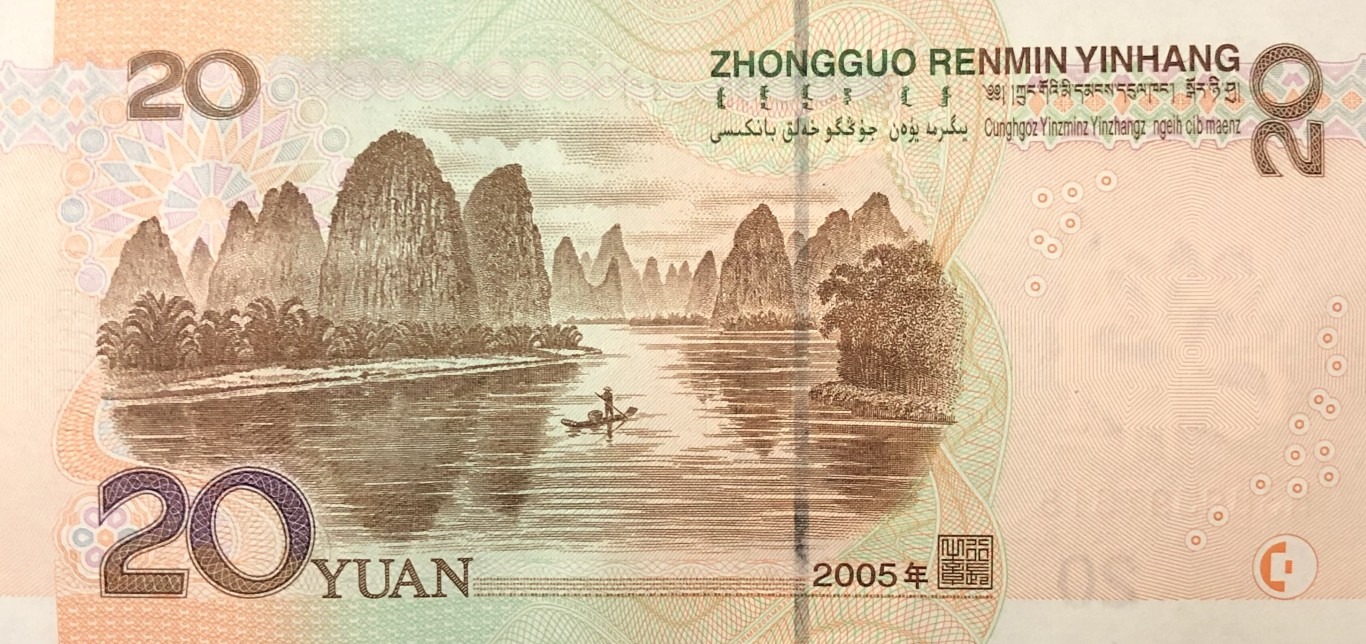
    Xingping Ancient Town is quieter than Yangshuo—further from the crowds, closer to the authentic Li River scenery that photographers love (the 20 RMB note photo spot is nearby).

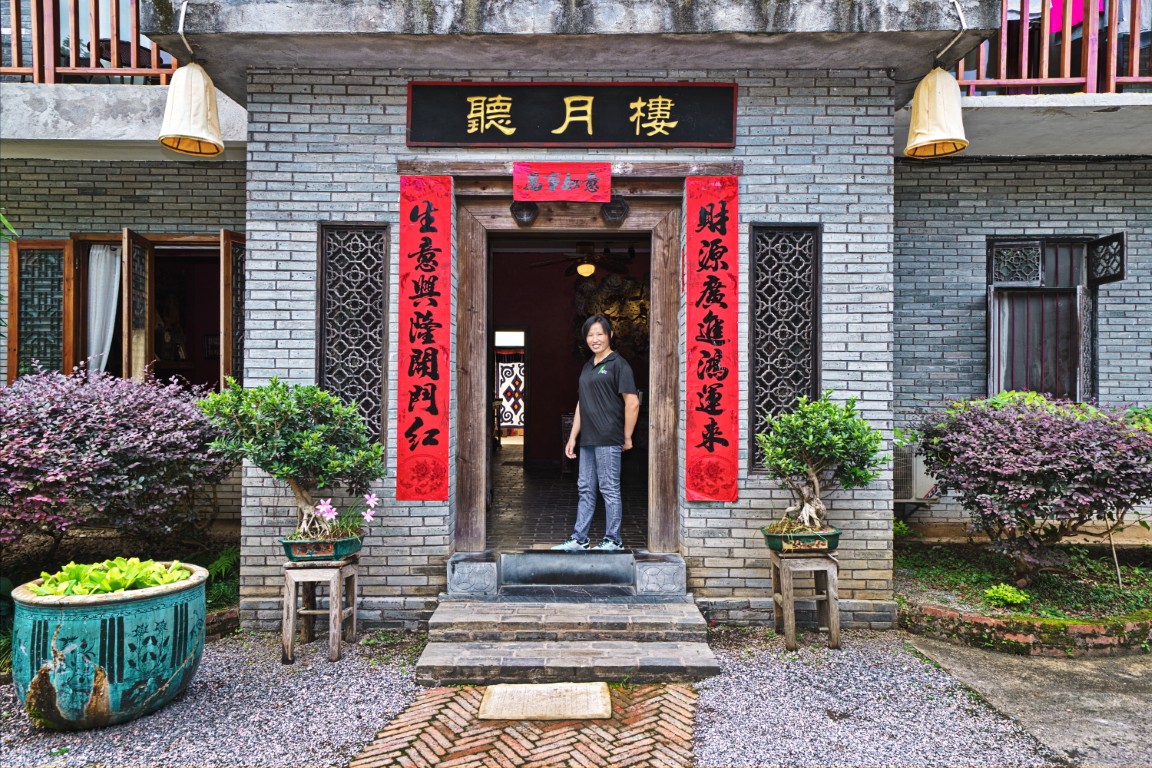
    Rachel runs Autumn Inn in a beautifully restored old house on Guzhen Lu, the ancient town’s main street. It’s small, charming, and feels more like staying in someone’s carefully designed home than checking into a hotel.

    What makes Rachel’s place special is hospitality done right. She speaks excellent English. She personally helps guests plan trips. She’s created a space that balances old-house character (traditional architecture, local touches) with modern comfort (good beds, clean bathrooms, excellent coffee).

    Reviews repeatedly call her “the best hotel manager I’ve ever met in China” and “absolutely amazing.” Guests mention the cat (Guanjia) and dog (Zaizai) by name. They talk about Rachel upgrading rooms for free, helping with logistics, and making them feel genuinely welcome.

    It’s the boutique end of family-run hospitality—small scale, owner-operated, personality-driven, but with attention to design and comfort that appeals to travelers who want charm and a good night’s sleep.

    What guests notice:

    • Rachel’s personal warmth and hands-on management
    • Beautiful interior design in converted old house
    • Quiet village setting—”skip Yangshuo, come to Xingping”
    • Walkable to all Xingping scenic areas
    • Cat and dog add homey atmosphere
    • “Small hotel full of charm… unique place”

    Best for: Couples, photographers, travelers who want boutique comfort with authentic character, anyone seeking a peaceful base in Xingping rather than busy Yangshuo.


    What These Four Have in Common

    After working in Yangshuo tourism for over a decade, I can tell you what separates these four from the dozens of other guesthouses I’ve visited:

    The owners are present. Gloria, Little Fish, Eric, Sammie, Jane, Rachel—they’re not absentee investors collecting rent. They’re there. They know your face. They remember if you came back.

    Personality matters more than perfection. These places have quirks. Village Inn’s solar water heaters mean sometimes means waiting five minutes on cold days for the water to heat up. Monkey Jane’s rooms are dated. Xingping is 25km away. But guests don’t care because the experience is what matters—and the experience is shaped by people, not amenities.

    They’re integrated into their communities. Village Inn sources from neighborhood farms. Eden Inn is embedded in Chaolong Village life. Jane knows everyone. Rachel is part of Xingping’s community. They’re not tourism operations dropped onto a location—they’re of the place.

    They adapted and innovated. Village Inn added cooking school and mastered Chinese social media. Eden Inn went multilingual when most places stayed Mandarin-only. Monkey Jane built a legendary rooftop bar. Rachel created boutique charm in a quiet ancient town. They didn’t just copy what everyone else was doing—they found their own path.


    Why Family-Run Places Are Disappearing

    I need to be honest about something: most family-run guesthouses in Yangshuo are gone not because they failed, but because running one is exhausting and often not worth the effort.

    You’re competing against hundreds of other places, who are mostly run by urban Han Chinese who are typically more sophisticated about business and tech. You need to learn English, master booking platforms, handle marketing, manage staff, fix maintenance issues, deal with difficult guests, and work basically every day with no real time off.

    Meanwhile, outsiders will offer to rent your building for guaranteed monthly income. No stress or midnight emergencies. No learning how to use Ctrip or Xiaohongshu. Just steady money. For a family that’s been farming rice for generations, that’s not selling out—that’s smart economics.

    And the hotels that replaced them aren’t necessarily bad. Many are well-run, professional, clean, and offer good service. They provide jobs. They bring tourism income to the region. What they don’t offer—what they mostly can’t offer, is the personal connection that comes from staying with people who genuinely care because it’s their family’s reputation, their home, their life’s work. That’s what’s disappearing. Not because it’s worse. Because it’s harder.


    The Changing Face of Yangshuo Tourism

    When I was a kid, Yangshuo was a Western backpacker town. West Street had small family guesthouses, cheap noodle shops, and travelers from all over the world sitting on rooftops planning bike trips through rice paddies. Then Chinese domestic tourism exploded.

    Suddenly there were tour buses, group tours, massive hotels, and hundreds of new “boutique minsu” operations. Investment poured in. The town got wealthier, more developed, more professional. It also got more… the same.

    Walk into most “boutique minsu” today and you could be anywhere in China. Same marble lobby with uniformed staff, wearing a number on their employee badge. Same uninspired breakfast buffet. The guest rooms look great in photos but have zero personality. The owners aren’t local, they’re investors from Shenzhen or Guangzhou or Beijing who saw an opportunity and took it. The staff often don’t come from Yangshuo. The food isn’t from neighborhood farms, it’s from regional suppliers.

    It’s efficient. professional and consistent. It’s also completely impersonal. You’re not staying in Yangshuo, you’re staying in a Yangshuo-themed hotel that could exist anywhere.


    Why These Four Still Matter

    The four guesthouses in my article represent something that’s almost extinct in Yangshuo: places where the people serving you are personally invested in whether you enjoy your stay. Not because they’re trained to care., but because they actually care.

    When Gloria helps you plan a bike route through back villages, she’s sending you to places her family has known for generations, not reading from a tour company script. When Eric sits at the bar helping you figure out tomorrow’s itinerary, he’s sharing actual local knowledge, not corporate-approved recommendations. When Jane challenges you to beer pong and then cooks you dinner, she’s creating the kind of spontaneous, personality-driven experience that no hotel would ever authorize. When Rachel upgrades your room and makes you excellent coffee while her cat wanders around, you’re experiencing hospitality that comes from someone who genuinely wants you to love Xingping.

    These aren’t better because they’re fancier. They’re better because they’re real. And in a town where “authentic local experience” has become meaningless marketing language, real still matters.


    How Long Will They Last?

    I don’t know. Gloria and Little Fish aren’t getting younger. Jane has been doing this for 22 years—that’s an incredible run, but it’s exhausting. Eric and Sammie have transitioned to a new management team. Rachel is competing against newer, shinier boutique hotels in Xingping. Economics and exhaustion eventually win.

    The four places in this article survived because their owners had the energy, personality, and stubbornness to keep going when it was easier to quit. But that’s not sustainable forever. When they’re gone, I don’t know if anything will replace them that feels the same. Yangshuo will still have hundreds of hotels calling themselves “minsu.” They’ll have better marketing, more professional service, nicer lobbies, and perfectly consistent experiences. They just won’t have soul.


    Worth Visiting

    If you’re coming to Yangshuo and you want to understand what made this town special before it became a mass tourism destination, stay at one of these four places. Not because the others are terrible, but because these four offer something different: the feeling that someone actually cares.

    You’ll get imperfect service, quirks and inconveniences. You’ll get breakfast served by someone who wants to know if you liked yesterday’s bike ride and has suggestions for today. You’ll get the thing that used to define Yangshuo hospitality: warmth. And in 2026, that’s rare enough to be worth seeking out.


    How to Book

    Yangshuo Village Inn
    Website: yangshuoguesthouse.com
    Email: reservations@yangshuoguesthouse.com
    Phone: +86-773-877-8169
    Location: #26 Li Cun, Moon Hill Village

    Eden Inn
    Search “Yangshuo Eden Inn” on major booking platforms
    Location: No. 8 Chaolong Village, Yangshuo County

    Monkey Jane’s Guesthouse
    Search “Monkey Jane’s Yangshuo” on booking platforms
    Location: Central Yangshuo, alley behind Guihua Rd

    Xingping Autumn Inn
    Search “Yangshuo Xingping Autumn Inn” or “Autumn Inn Xingping”
    Location: Guzhen Lu, Xingping Ancient Town


    For more local Yangshuo recommendations from someone who actually grew up here, check out our guides to Yangshuo outdoor adventures, Yulong River bamboo rafting, and things to do in Yangshuo.

    Sabrina Mo has been a local guide at Yangshuo Mountain Retreat since 2015. She grew up in Yangshuo and has led hundreds of tour groups through the region’s villages, rivers, and mountains.

    Frequently Asked Questions

    What’s the difference between these homestays and regular Yangshuo hotels?

    These four are family-run and owner-operated, meaning the people serving you are personally invested in your experience, not because it’s their job, but because it’s their family business and reputation. Regular hotels offer professional service from trained staff who go home when their shift ends. The difference is whether someone genuinely cares versus someone who’s trained to appear like they care.

    Are family-run homestays cheaper than boutique hotels?

    Not necessarily. Prices at these four range from budget (Monkey Jane’s) to mid-range (¥200-600 per night), which is similar to many “minsu” hotels in Yangshuo. You’re not choosing based on price. You’re choosing based on whether you want impersonal efficiency or personal warmth. Both cost about the same.

    Which homestay is best for families with children?

    Yangshuo Village Inn at Moon Hill is excellent for families—spacious Farmhouse rooms, safe courtyard environment, cooking classes kids enjoy, and Gloria and Little Fish are experienced with family needs. The location near Moon Hill gives children space to explore without traffic dangers, and the pomelo grove is a natural playground.

    Can the owners really speak English at these places?

    Yes. Gloria and Little Fish at Village Inn speak excellent English after 16+ years of hosting international guests. Eric and Sammie at Eden Inn are multilingual (English, French, Spanish). Jane at Monkey Jane’s speaks English well enough to organize trips and teach dumpling-making. Rachel at Autumn Inn has excellent English repeatedly praised in reviews. This is a major advantage over many Yangshuo hotels where staff have limited English.

    Why are family-run homestays disappearing in Yangshuo?

    Running a family guesthouse is exhausting: 16-hour days, no time off, constant learning (English, booking platforms, marketing), and competing against professional hotel operators with more capital and expertise. Many families found it easier to rent their buildings to outsiders for steady monthly income rather than working constantly. It’s not failure, just rational economics. The families who continue doing it are the stubborn, passionate ones.

    Is Xingping better than Yangshuo for staying?

    Depends what you want. Xingping Ancient Town (where Autumn Inn is located) is quieter, more authentic, and closer to the famous Li River scenery (20 RMB note photo spot). Yangshuo town has more restaurants, bars, and nightlife. For peaceful scenery and photography, Xingping wins. For social atmosphere and convenience, Yangshuo wins. Both are worth experiencing.

    What makes Monkey Jane’s rooftop bar so legendary?

    Jane herself. She’s been running it since 2004, challenges guests to beer pong (and reportedly never loses), creates a social atmosphere where solo travelers immediately meet people from six countries, and charges cheap drink prices with incredible karst mountain views. It’s not fancy—it’s personality-driven. Backpackers have been telling each other about it for 20 years, which is the best marketing any bar could have.

    Do these homestays offer the same amenities as big hotels?

    No, and that’s the point. You won’t get fancy lobbies, saltwater pools, or 24-hour room service. You’ll get solar-heated water (sometimes tricky), family-cooked breakfasts, owners who remember your name, and actual local knowledge about hidden trails and village restaurants. Choose based on what matters more: amenities or authenticity.
  • Bamboo Rafting Yangshuo: The Complete Guide 2026

    Bamboo Rafting Yangshuo: The Complete Guide 2026

    If you’re staying at Yangshuo Mountain Retreat, you’re literally on the river that defines the Yangshuo experience.

    The Yulong River runs right in front of our hotel, and bamboo rafting is the activity most guests ask about. After 15 years of working for a riverside hotel and watching thousands of guests float past our terrace, I can tell you exactly what bamboo rafting is actually like in 2026—stripped of the romantic marketing, regulations included, but still absolutely worth doing.

    My Rating: 8.5 out of 10 for short trips. It’s a must-do Yangshuo activity if you pick the right route and manage your expectations.

    What Is Yulong River Bamboo Rafting?

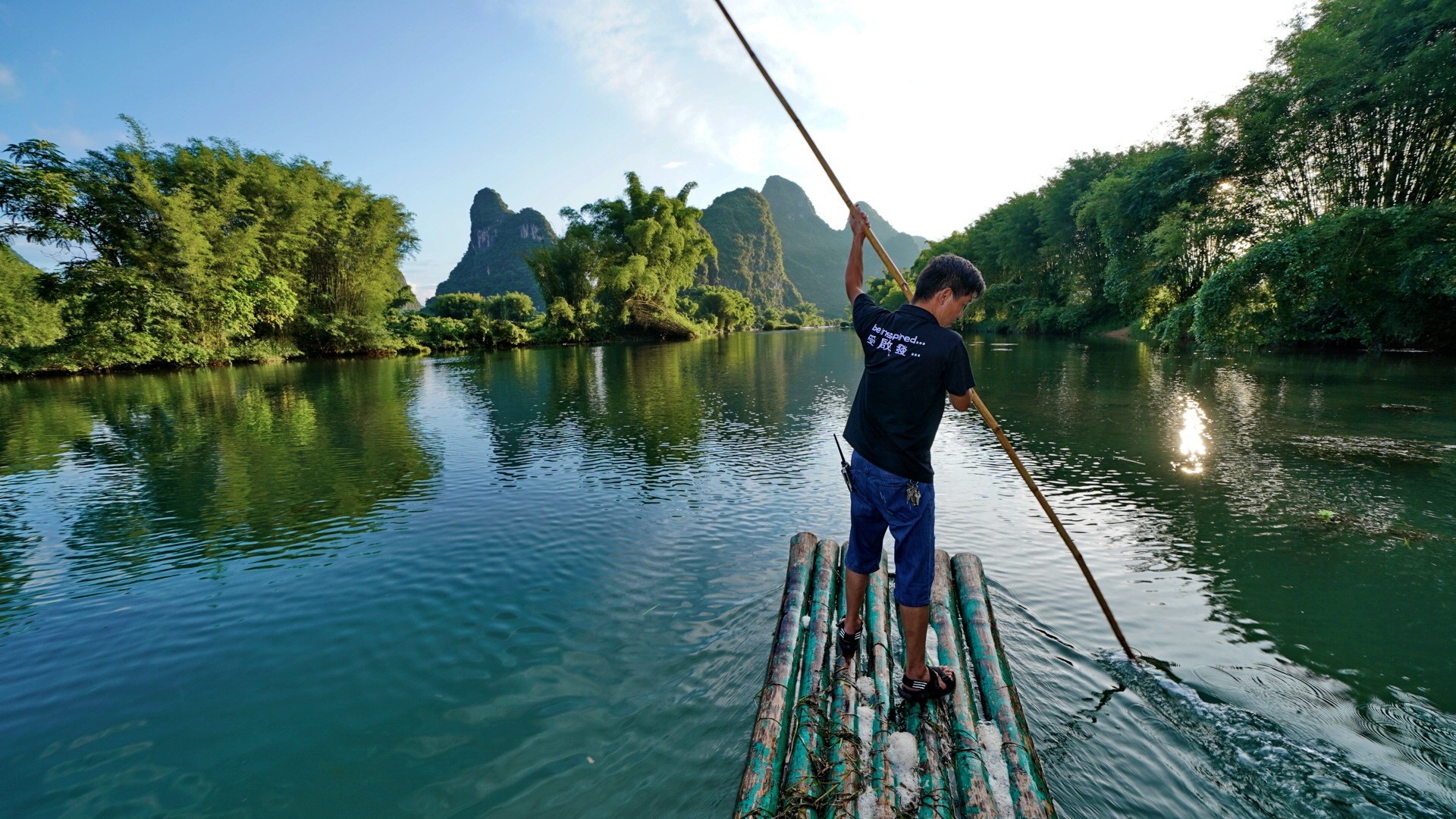
    Traditional bamboo rafts—actual bamboo poles lashed together, not fiberglass replicas—poled downriver by local raftsmen, some who’ve been doing this their entire adult lives. You sit on a plastic chair (maximum 2 people per raft), drift through karst mountain scenery, glide over shallow weirs (fun drops of about one meter where the raft slides down), and experience the Yulong River valley the way locals have traveled it for centuries.

    Unlike the busy Li River with its motorized tour boats and cruise ships, the Yulong River has no engine traffic. It’s shallow (5 meters maximum depth), narrow (average 25 meters across), and moves at a gentle pace. The only sounds are bamboo poles clacking against the raft, water moving over rocks, and—in high season—at least one Chinese man on a nearby raft singing patriotic songs.

    The Yulong River starts in northern Yangshuo County near Litang and runs over 35 kilometers through small villages including Putao, Litang, Chaolong, Yima, and Gaotian Town before emptying into the Li River around Pingle. Yangshuo Mountain Retreat sits right on this river in the scenic middle section, which is why rafting is so accessible for our guests.

    What’s Changed in 2026

    Chinese tourism regulations have… evolved. What used to be a freewheeling river experience now comes with more rules.

    Current restrictions:

    • No swimming in the river (regulations changed—it’s now prohibited, though after 5pm Yangshuo Mountain Retreat guests can swim secretly from our bank unsupervised)
    • No bicycles on rafts (don’t ride your bike to the dock expecting to load it)
    • Passport required at the dock to purchase tickets
    • Booking in advance is no longer required but recommended to guarantee a ticket
    • No more long 2-3 hour routes
    • Rafts won’t stop at Yangshuo Mountain Retreat embankment anymore (they used to)

    The romance of spontaneously hopping on a bamboo raft and drifting wherever the river takes you? More challenging now. But the core experience—floating through stunning karst scenery on actual bamboo with skilled raftsmen—that’s still here, and it’s still worth it.

    Current Routes & Pricing (2026)

    All routes accommodate maximum 2 people per raft. Here are your actual options:

    RECOMMENDED: Jima Wharf → Gongnong Bridge (terminus)

    • Price: ¥320 per raft (not per person)
    • Distance: 6 km
    • Duration: ~80 minutes
    • Weirs: 9 crossings
    • Why it’s best: This is the sweet spot. Beautiful middle-river section, passes near Yangshuo Mountain Retreat, perfect length—long enough to feel immersive, short enough that you’re not bored or uncomfortable. From Gongnong Bridge, it’s only a 20-minute walk back to Mountain Retreat on a quiet back road. This is what I recommend to most guests.

    FOR TIME-LIMITED GUESTS: Shuiedi Dock → Gongnong Bridge

    • Price: ¥200 per raft
    • Distance: 3 km
    • Duration: ~40 minutes
    • Weirs: 4 crossings
    • Why it works: Shuiedi Dock is only 1.5 km upriver from Yangshuo Mountain Retreat—ridiculously convenient. If you only have a couple hours or want a taste of bamboo rafting without committing to the full experience, this is your route. The official chart calls it “least popular,” but that’s actually a selling point—fewer crowds, quick experience, easy logistics.

    LONGEST OPTION: Jinlong Bridge WharfJiuxian

    • Price: ¥320 per raft
    • Distance: 6 km
    • Duration: ~90 minutes
    • Weirs: 9 crossings
    • Description: Upper Yulong River section. The chart describes it as “most thrilling” with wide water and mountain scenery. Furthest from Mountain Retreat, so you’ll need transport both directions.

    SCENIC UPPER SECTION: Xiatang Dock → Jima Wharf

    • Price: ¥200 per raft
    • Distance: 3 km
    • Duration: ~45 minutes
    • Weirs: 4 crossings
    • Description: The official chart calls this the “most scenic” route. Upper/middle river section with impressive karst views.

    Our Honest Take: Short Trips vs. Long Trips

    Short trips (40-90 minutes): 8.5/10 — Absolutely worth it. You get the full experience without the downsides.

    Long trips (2+ hours): Skip them — And good news: the government already eliminated these routes, so you can’t make this mistake anymore. Here’s why longer isn’t better:

    Bamboo rafting is beautiful and meditative for the first hour. After that? You’re sitting on a plastic chair getting incrementally wetter, the scenery becomes repetitive, and if weather turns bad, you’re stuck on a river with no exit strategy. Two hours of wet clothes in changing weather isn’t romantic—it’s miserable.

    The short routes give you everything: karst mountain views, the experience of floating on bamboo, gliding over weirs, watching village life along the riverbanks, and the satisfaction of saying you did it. Then you’re done before you get bored, cold, or uncomfortably wet.

    Practical Tips from Our 25 Years on The Yulong River

    Timing Matters

    Morning is always better than afternoon. Here’s why:

    • Cooler temperatures (especially May-September)
    • Less chance of heavy rain developing
    • Better light for photos
    • Fewer crowds (marginally)
    • River is calmer before afternoon winds pick up

    Avoid winter (December-February). Yes, rafting operates year-round, but you’re going to get wet on the raft—not soaked, but splashed. Sitting in damp clothes for 80 minutes when it’s 8°C outside is the opposite of fun. Spring (April-May) and autumn (September-October) are ideal. Summer works but prepare for heat and occasional afternoon storms.

    You Will Get Wet

    Not drenched. Not swimming-level wet. But splashed. The weirs’ (small 1-meter drops where the raft slides down) send water onto the raft. Your raftsman might splash you playfully. River spray happens.

    Bring a waterproof pouch that goes around your neck for your phone and wallet. Get a proper waterproof pouch with a lanyard—available at any shop in Yangshuo town or we sell them at Mountain Retreat reception.

    Wear shoes that can get wet. Flip-flops work but can fall off at weirs. Water shoes or old sneakers are better. Don’t wear your nice hiking boots or leather sandals.

    The Passport Requirement

    Yes, you need your actual passport at the dock to purchase tickets. A photo on your phone won’t work. This is 2026 China—security has reached impressive levels. Don’t forget it, or you’ve wasted a trip, and keep it in your plastic pouch with your phone.

    Book Through Mountain Retreat

    It’s no longer advised to just show up at the dock anymore. We recommend you reserve in advance. Our front desk handles all bookings—we’ll arrange your raft, confirm pricing, and tell you exact pickup times. We don’t charge any commission. We know which routes are running, current weather conditions, and whether the river is safe (flash flooding can make it dangerous fast).

    The Flotilla Experience

    In high season and Golden Weeks (First week of May, first week of October, Chinese New Year), you’re not floating alone in serene nature. You’re part of a convoy of 20-50 bamboo rafts moving downriver together like a bamboo armada. There will be Chinese tourists. There will be singing. There will likely be at least one enthusiastic gentleman belting out patriotic songs at impressive volume.

    This is not necessarily bad—it’s just reality. If you’re expecting a private, silent communion with nature, adjust your expectations. If you can embrace the chaos, it’s actually kind of fun in a uniquely Chinese way.

    Common Tourist Mistakes

    Don’t bring your bicycle to the dock. They won’t let you load it on the raft. This regulation is new as of recent years and can catch people by surprise. If you cycle to the dock, you’re cycling back too.

    Don’t expect rafts to stop wherever you want. The routes are fixed. Rafts won’t pull over for photo ops at specific spots, and they definitely won’t stop at Yangshuo Mountain Retreat anymore (they used to, which was wonderful, but regulations killed that).

    Don’t overdress. It’s a hot, humid environment even in spring/autumn. Light, quick-dry clothing works best. That heavy cotton t-shirt will stay damp and uncomfortable. A light rain jacket is always recommended.

    Don’t skip breakfast. There are no food vendors mid-river. You’re on that raft until you reach the endpoint. Eat before you go. Also, bring some water, or some already chilled adult beverages.

    What About Swimming?

    Swimming in the Yulong River used to be one of Yangshuo’s simple pleasures—clear pools, gentle currents, karst mountains overhead. That’s now prohibited. Regulations changed. You’ll see “No Swimming” signs.

    The river is still clean enough (despite some brownish foam in eddies from agricultural runoff), but officially, swimming is not allowed. Do with that information what you will, but don’t expect us to recommend it or provide support if you get in trouble.

    The Yangshuo Mountain Retreat Advantage

    Location: We’re directly on the Yulong River. Shuiedi Dock is 1.5 km away. Gongnong Bridge (endpoint for both main routes) is a 20-minute walk. You’re not taking hour-long taxi rides to distant docks—you’re literally steps from the river.

    Booking support: Our staff handles all reservations, knows current pricing, understands which routes suit different fitness levels and time constraints, and will tell you honestly if weather looks bad.

    Post-rafting: After floating downriver and walking back to Mountain Retreat, our riverside restaurant and bar are open. Cold drinks, hot coffee, full menu, comfortable seating, and you can sit on our terrace watching other rafts drift by while you dry off.

    Local knowledge: We’ve been here since 2001. We know this river in every season, every water level, every weather condition. If we say conditions aren’t good for rafting that day, believe us.

    Alternatives and Combinations

    Can you combine rafting with cycling? Not on the same raft (bicycles not allowed), but you can absolutely cycle to upstream docks, raft down, then walk back to retrieve your bike later or have someone from the hotel pick it up. Ask our front desk about logistics.

    What about walking along the river instead? The riverside footpath from Gongnong Bridge to Mountain Retreat is beautiful. If rafting doesn’t appeal or weather is bad, walking gives you the same scenery at your own pace. The 13km route from Gongnong Bridge past Chaoyang Village and Jiuxian Village to Yulong Bridge is one of Yangshuo’s best walks.

    Other activities from Mountain Retreat: Check out our complete guide to Yangshuo outdoor adventures including hiking, rock climbing, caving, and cycling routes. Also see our things to do in Yangshuo blog post for comprehensive activity recommendations.

    Final Verdict

    Bamboo rafting on the Yulong River deserves its 8.5 out of 10 rating. It’s one of those activities that actually lives up to the hype—if you pick the right route, go at the right time, and manage expectations around regulations.

    The Jima Dock to Gongnong Bridge route (80 minutes, ¥320) is what I recommend to most guests. It’s long enough to feel complete, short enough to stay enjoyable, and logistics are easy from Yangshuo Mountain Retreat.

    If you’re short on time, the Shuiniwo to Gongnong route (40 minutes, ¥200) gives you a solid taste without the commitment.

    Avoid winter, go in the morning, bring waterproof protection for your phone, and don’t forget your passport. Accept that you’ll be part of a flotilla in high season and that some Chinese gentleman will probably serenade you with patriotic songs.

    It’s not the wild, unrestricted river experience it was 20 years ago—welcome to 2026 China, where even bamboo rafting requires advance booking and passport checks. But the core magic is still there: floating on actual bamboo through one of the world’s most stunning karst landscapes. That’s worth experiencing at least once.

    Book your bamboo rafting adventure at Yangshuo Mountain Retreat’s front desk, and we’ll handle everything else.

    Frequently Asked Questions

    How much does Yulong River bamboo rafting cost?

    Prices range from ¥200-320 per raft (not per person) depending on route. The most popular Jima Pier to Gongnong Bridge route costs ¥320 for 80 minutes covering 6km. The shorter Shuiniwo to Gongnong route costs ¥200 for 40 minutes covering 3km. Maximum 2 people per raft. Book through Yangshuo Mountain Retreat front desk for current pricing and reservations.

    What’s the best time of day for bamboo rafting?

    Morning is always better than afternoon. Cooler temperatures (especially May-September), less chance of heavy rain, better photo light, and calmer river conditions before afternoon winds. Avoid winter months (December-February) completely—you’ll get wet on the raft and sitting in damp clothes when it’s cold is miserable.

    Do I need to bring anything for bamboo rafting?

    Essential: waterproof pouch with neck strap for phone and wallet (ziplock bags fail), your passport (required at pier for tickets), water shoes or old sneakers (flip-flops can fall off), light quick-dry clothing, sunscreen, and hat. Optional: small water bottle, snacks (no food vendors mid-river). Don’t bring: bicycles (not allowed on rafts), valuables, cotton clothing that stays wet.

    How long does Yulong River bamboo rafting take?

    Route duration varies: Jima to Gongnong takes 80 minutes (6km), Shuiniwo to Gongnong takes 40 minutes (3km), Jinlong to Jiuxian takes 90 minutes (6km), and Xiatang to Jima takes 45 minutes (3km). Add transport time to/from piers. From Yangshuo Mountain Retreat, expect 2.5-3 hours total for the Jima route including the 20-minute walk back from Gongnong Bridge.

    Can I swim in the Yulong River?

    No. Swimming in the Yulong River is now prohibited by government regulations as of recent years. You’ll see “No Swimming” signs along the river. This is a change from previous years when swimming was one of Yangshuo’s simple pleasures in clear river pools.

    Which bamboo rafting route is best from Yangshuo Mountain Retreat?

    Jima Pier to Gongnong Bridge (¥320, 80 minutes) is the sweet spot—beautiful middle-river section, perfect length, only 20-minute walk back to the hotel. For time-limited guests, Shuiniwo to Gongnong (¥200, 40 minutes) works well since Shuiniwo Pier is only 1.5km from Mountain Retreat. Both routes end at Gongnong Bridge within easy walking distance of the hotel.

    Will I get wet during bamboo rafting?

    Yes, you will get wet—not soaked, but splashed. The weirs (small 1-meter drops where rafts slide down) send water onto the raft. River spray happens. Your raftsman might playfully splash you. This is why morning trips and avoiding winter months is crucial—sitting in damp clothes for 80 minutes when it’s cold is the opposite of fun.

    Can I bring my bicycle on the bamboo raft?

    No. Bicycles are not allowed on bamboo rafts as of current 2026 regulations. Don’t ride your bike to the pier expecting to load it onto the raft. If you cycle to the starting pier, you’ll need to arrange to retrieve your bike later or cycle back to get it after rafting.

    How do I book bamboo rafting from Yangshuo Mountain Retreat?

    Book through Yangshuo Mountain Retreat’s front desk—you cannot just show up at piers anymore. Our staff handles all reservations, confirms current pricing, knows which routes are running, and can advise on weather conditions. You must bring your passport to the pier to purchase tickets. We can arrange transport to upstream piers and provide detailed directions for walking back from Gongnong Bridge.

  • Yangshuo Liu Sanjie Worth It?

    Yangshuo Liu Sanjie Worth It?

    Every visitor to Yangshuo asks the same question: should I see the Impression Liu Sanjie show?

    After watching it dozens of times, I can finally give you an honest answer. It’s not a simple yes or no. Like most things worth experiencing in China, it depends on what you’re looking for, how much time you have, and whether you can handle a bit of uniquely Chinese spectacle.

    What Is Impression Liu Sanjie?

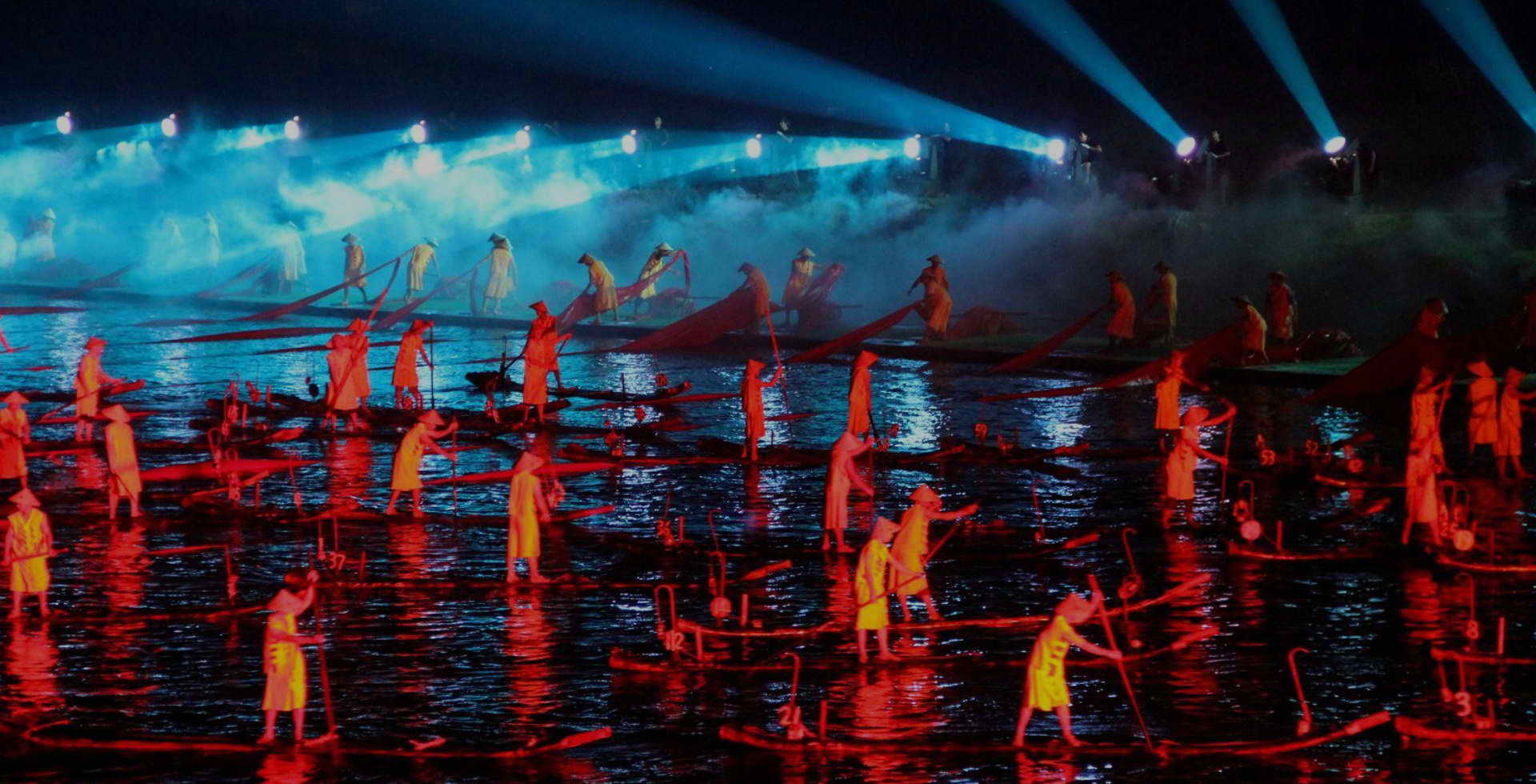
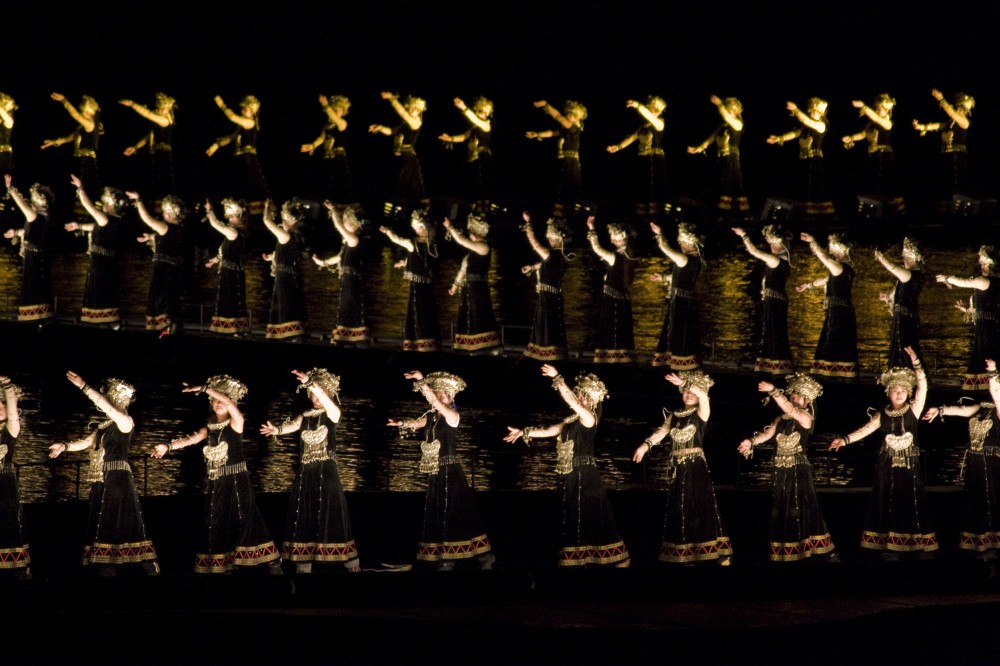
    Directed by Zhang Yimou (the same visionary behind the 2008 Beijing Olympics opening ceremony), Impression Liu Sanjie is a massive outdoor performance staged directly on the Li River. The “stage” is a two-kilometer stretch of water, the backdrop is twelve illuminated karst mountain peaks, and over 600 performers, some in electrified costumes, move through choreographed sequences telling the folk legend of Liu Sanjie—a Zhuang singing girl who could defeat anyone in a song battle.

    The show runs about 70 minutes, performed twice nightly at 7:45pm and 9:20pm. Rain or shine. Well, mostly rain or shine—heavy storms will cancel it with full refunds, but light rain just means they hand out disposable plastic ponchos to a thousand people twice a night. More on that environmental disaster later.

    It premiered in 2004 and hasn’t changed its choreography in over twenty years. That tells you something about both its enduring appeal and its utter lack of innovation.

    The Honest Assessment: 7 Out of 10

    Here’s my rating system: if Yangshuo itself is a 10 out of 10 experience, Impression Liu Sanjie is a solid 7. It’s worth seeing if you have the time, but it’s not essential to understanding what makes this place magical.

    You should absolutely see it if:

    • You have three or more nights in Yangshuo
    • The weather is clear and mild (spring or autumn evenings)
    • You want a uniquely Chinese cultural experience that exists nowhere else
    • You’re traveling with kids who need evening entertainment
    • You appreciate large-scale theatrical productions

    You can skip it if:

    • You only have two nights and want to maximize riverside cycling, village exploration, or authentic local dining
    • It’s pouring rain or uncomfortably cold
    • You’re on a tight budget (tickets aren’t cheap)
    • You prefer intimate, authentic cultural experiences over mass spectacle

    What Makes It Special

    The sheer scale is genuinely impressive. Imagine this: hundreds of performers moving on floating walkways across a river, mountains lit up like a stage set, thundering music echoing off limestone cliffs, and gasps rippling through 1,000+ audience members as new visual reveals unfold. It’s what we call “Chinese-y”—an unabashedly grand, slightly overwhelming sensory experience that could only happen here.

    The seven-part performance covers ethnic minority life in Guangxi: Zhuang mountain songs, Yao wedding ceremonies, Dong chorus singing, Miao festivals, fishing scenes with cormorant birds and bamboo rafts, love stories, and daily village life. You don’t need to understand Mandarin or the minority languages to follow it—this is visual storytelling.

    Director Zhang Yimou knows how to use light, color, and landscape. When hundreds of meters of red cloth undulate across the water or a wall of performers in illuminated costumes creates patterns against the mountains, it works. It’s heavy-handed theater, but it works.

    The Reality Check

    Time investment: This isn’t just a one-hour show. You’ll spend three hours total: driving or taking a taxi/Didi from Yangshuo town or your hotel (20-30 minutes), walking 500 meters from the drop-off point to the amphitheater entrance, watching the show (70 minutes), walking back out, and getting home. If you’re staying at Yangshuo Mountain Retreat, expect about 3.5 hours door-to-door.

    Environmental waste: Those disposable plastic ponchos for 1,000+ people twice nightly? Shocking. Bring your own rain jacket. The light pollution is also significant—this is not an eco-friendly production.

    Unchanged choreography: Twenty years. Same show. If you’ve seen videos online, you’ve essentially seen the show. There’s something to be said for experiencing it live, but don’t expect surprises.

    Mass tourism: You’re part of a thousand-person audience. This is not an intimate cultural experience. It’s Disney-level spectacle.

    Language barrier: The performance is entirely in Chinese and minority languages. No English subtitles, no program notes explaining the story. You’re there for the visuals.

    Ticket Prices and Seating

    As of 2026, ticket prices range significantly:

    • C-Level seats (back rows, wicker chairs): ¥238-328 RMB ($33-46 USD)
    • B-Level seats (middle section, cane chairs): ¥328-398 RMB ($46-56 USD)
    • A-Level seats (premium view, better chairs): ¥468-528 RMB ($66-74 USD)
    • VIP box seats (covered seating, tea & snacks): ¥688+ RMB ($97+ USD)

    Our recommendation: Mid-range B-Level seats (¥328-398) are perfectly fine. You get decent views, the chairs are acceptable for 70 minutes, and you’re not wasting money on marginal upgrades.

    Skip the VIP boxes unless weather is truly awful. The key is there are the only covered seats. Yes, you get tea and “snacks” (supermarket pistachios and dried fruit—genuinely sad for double the price). But the experience isn’t significantly better, and part of the show is being outdoors with the river breeze and open sky.

    Avoid the cheap wicker seats if you’re a larger person or have back issues. Also, the backless plastic stools for 70 minutes get uncomfortable fast.

    Practical Tips From Someone Who’s Been So Many Times

    Arrive 30 minutes early: The walk from parking to the amphitheater takes time, and you’ll want to settle in rather than rushing. The seat numbering system isn’t intuitive, and a thousand people are also trying to figure out how B-5 and C-11 are next to each other. Inside the entrance there’s a huge wooden temple structure where a woman on stilts performs with her traditionally dressed partner. It’s hokey and the temple architecture has nothing to do with local culture, but it’s quite spectacular. There’s a small museum about Liu Sanjie inside if you arrive very early.

    Bring mosquito repellent (summer visits): The Li River attracts bugs, especially June-August. Don’t rely on the venue to provide anything.

    Bring your own rain gear: Seriously. Those disposable ponchos are wasteful, hot and super flimsy. A light rain jacket is better anyway.

    Book transportation in advance: Hotel car service from Yangshuo Mountain Retreat costs around ¥200 roundtrip for up to 4 people. Didi/taxis work too—expect ¥20-30 per person each way. Walking from West Street takes 30 minutes but isn’t pleasant at night on busy, poorly lit roads.

    Best seasons: Spring (April-May) and autumn (September-November). Clear evenings, comfortable temperatures, lower mosquito activity. Summer works but bring bug spray and prepare for heat. Winter shows can be cold—dress warmly.

    Photography: Allowed but difficult. The lighting changes constantly, your phone camera won’t capture it well, and you’ll spend the whole show looking through a screen instead of experiencing it. And for god sakes, don’t use a flash. Just watch.

    The Disneyland Analogy

    I compare Impression Liu Sanjie to visiting Disneyland when you’re already in Orlando. If you happen to be there, sure, go ahead—it’s a recognized experience and the scale is impressive. But if you only have limited time in Orlando, maybe skip the theme park and see something more authentic instead.

    Same principle applies here. If you only have two nights in Yangshuo and you’re spending one evening dining in town and exploring West Street’s bars, skip the show. Use that time for a sunset bike ride to Jiuxian Village, a bamboo raft on the Yulong River, or dinner at our riverside restaurant watching the karst peaks fade into dusk.

    But if you have three nights? The weather is good? You want to say you saw one of China’s most famous outdoor shows? Go for it. It’s entertaining, it’s very impressive, and yes—there really is nothing quite like it outside China.

    After So Long, What Still Works?

    The audience reactions. Every single time, when certain reveals happen—a wall of red lanterns, the fishing scene with hundreds of cormorant birds, the finale with all the performers—people gasp. That collective “Whoa!” never gets old, even when I know exactly what’s coming.

    The scale. Even knowing the choreography, the sheer number of performers moving in synchronized patterns across a river is genuinely impressive. Zhang Yimou understands spectacle.

    The setting. Watching a show staged on actual moving water with real mountains as your backdrop—not painted scenery—creates moments of genuine beauty, especially during the quieter sequences when the music drops.

    Final Verdict

    Impression Liu Sanjie rates a 7 out of 10 on the Yangshuo experience scale. It’s a worthwhile evening activity if you have extra time, decent weather, and an appreciation for large-scale theatrical spectacle. It’s not essential, it’s expensive, it’s a bit kitschy, and the environmental impact bothers me—but it’s also genuinely entertaining and offers something you won’t find anywhere else.

    If you’re staying at Yangshuo Mountain Retreat, our front desk can arrange tickets and transportation. We’ll tell you honestly whether the weather forecast looks good, which seating tier makes sense for your budget, and whether we think you should go at all based on your schedule.

    Sometimes the best cultural experiences in Yangshuo are free: cycling through rice paddies at sunrise, watching village life unfold along the Yulong River, or sitting at a riverside restaurant as the light changes on the karst peaks.

    But if you’ve got an extra evening and want to see 600 people in illuminated costumes performing synchronized choreography on a river with mountains lit up behind them?

    Yeah, it’s worth it. Just bring your own rain jacket.

    How long is the Impression Liu Sanjie show?

    The show lasts approximately 70 minutes. However, expect to spend 3-3.5 hours total including transportation to and from the venue (20-30 minutes each way) and the 500-meter walk from parking to the amphitheater entrance.

    What are the show times for Impression Liu Sanjie?

    Performances occur twice nightly at 7:45 PM and 9:20 PM. Show times may vary slightly by season. Arrive at least 30-45 minutes early to allow time for parking, walking to your seats, and settling in.

    How much do Impression Liu Sanjie tickets cost?

    Tickets range from ¥238 RMB ($33 USD) for back-row wicker seats to ¥688+ RMB ($97+ USD) for VIP covered boxes with tea and snacks. Mid-range B-Level seats (¥328-398 RMB / $46-56 USD) offer the best value with decent views and comfortable seating for 70 minutes.

    Is Impression Liu Sanjie worth seeing?

    Worth seeing if you have three or more nights in Yangshuo and good weather. Skip it if you only have two nights—spend that time on bamboo rafting, cycling through villages, or authentic dining experiences instead. The show is a 7/10 on the Yangshuo experience scale: impressive and entertaining, but not essential.

    What happens if it rains during the show?

    Light rain: The show continues and staff distribute disposable plastic ponchos (bring your own rain jacket instead—more environmentally friendly). Heavy rain or storms: The performance is cancelled with full refunds. Check weather forecasts before booking and consider spring (April-May) or autumn (September-November) for best conditions.

    Can I take photos during Impression Liu Sanjie?

    Photography is allowed but difficult. The lighting changes constantly and phone cameras struggle to capture the performance well. You’ll spend the show looking through a screen instead of experiencing it. Recommendation: Watch the show first, enjoy the moment, and find professional photos online afterward.

    How do I get to the Impression Liu Sanjie theater from Yangshuo Mountain Retreat?

    Hotel car service costs approximately ¥200 RMB roundtrip for up to 4 people (book at front desk). Didi or taxis cost ¥20-30 RMB per person each way. The venue is about 20-30 minutes from most Yangshuo hotels. Walking from West Street takes 30 minutes but isn’t recommended at night due to poor lighting.

    Are there better cultural activities than Impression Liu Sanjie in Yangshuo?

    For authentic experiences: cycling to traditional villages like Jiuxian, bamboo rafting on the Yulong River, cooking classes with local families, exploring farmers markets, or visiting ethnic minority villages offer more intimate cultural immersion. Impression Liu Sanjie is mass-market spectacle—impressive but not intimate. See our complete guide to things to do in Yangshuo for alternatives.

  • How Much Does Yangshuo Cost?

    How Much Does Yangshuo Cost?

    Setting a Daily Budget in Yangshuo for 2026

    While fierce competition in mid-range hotels and restaurants have driven prices down, here’s how to avoid paying too much and getting the best value our of your Yangshuo budget.

    The Real Cost of Yangshuo

    Any budget guide will tell you Yangshuo costs $87 per day. That number is misleading. A backpacker sleeping in a hostel dorm and eating street noodles isn’t having the same trip as a couple staying riverside with mountain views, dining at actual restaurants, and hiring a private guide.

    If you’re reading this, you’re probably not the $87/day traveler. You want to know: what does a good Yangshuo experience actually cost, and where should you spend your money?

    Here’s what 25 years of running the first countryside hotel in Yangshuo has taught us about the real costs—and the real value.

    What a Yangshuo trip actually costs

    The honest answer depends entirely on when you visit:

    Low Season (January-February): $150-200 per day for two people
    Shoulder Season (March-June, September-December): $200-250 per day
    Peak Season (July-August): $300 per day
    Chinese Public Holidays: $400+ per day

    These numbers assume you’re staying in quality countryside accommodation, eating at real restaurants (not tourist traps), doing one or two activities daily, and getting around by rented scooter or Didi. About half of your daily budget goes to accommodation—which matters more than most travelers realize.

    Where to invest your Yangshuo budget

    Not all spending is equal. Here’s where your money actually makes a difference to your experience.

    Accommodation Location (Not Star Rating)

    The single most important decision isn’t how much you spend on accommodation—it’s where you stay.

    West Street area and the surrounding town area will cost you more than countryside hotels. You’ll pay premium rates to be surrounded by tourist shops and bars, with traffic noise until late at night. Then you’ll spend money on transport to actually reach the karst mountains, rice paddies, and rivers you came to see.

    Countryside hotels offer better value and put you where the scenery actually is. There are now hundreds of guesthouses and hotels outside town with fiercely competitive rates. You’ll wake up to mountain views, have direct access to cycling routes and bamboo rafting, and most provide free bikes.

    At Yangshuo Mountain Retreat, our budget rooms start at $65 per night in normal season, luxury rooms at $180. We’re 1.2 kilometers walking from the nearest bamboo raft pier, 30 minutes by bike to charming Jiuxian Village, and guests can cycle to rice paddies and karst viewpoints without getting in a car. That’s not a sales pitch—it’s the difference between being in Yangshuo town versus being outside in the Yangshuo countryside.

    The luxury resort hotels (Banyan Tree, Sugar House) charge Hong Kong prices and put you far from everything. Yes, they’re beautifully designed properties, but you’ll spend significant money on transport for every activity, meal, or evening out. For most travelers, a well-located mid-range countryside hotel delivers better value than an isolated luxury resort.

    Real restaurants

    There are very few restaurants left on West Street—mostly just shops and bars. The actual good food is further up the side streets where locals eat.

    Beer fish at Da Shifu costs about 120 RMB for two people. The owner won the original beer fish chef competition, and it’s arguably the most authentic version in Yangshuo. That’s about $17 USD for Yangshuo’s signature dish, prepared correctly.

    Other places worth your money:

    • Lucy’s on Guihua Lu (breakfast and simple Western food)
    • DEMO on the Li River (live music, pizza, local beer)
    • TK Pub (local craft beer on tap)
    • Ganga Impression on Chengbei Lu (Indian food)
    • The Groove (aldo on Chengbei Lu) Western food, local craft beer on tap, good for expats and locals)

    You’ll spend 60-100 RMB per person including drinks for a good dinner at these places. That’s $9-15 USD. Compare that to tourist trap prices on West Street or in luxury hotel restaurants, and you’re looking at triple the cost for half the quality.

    The side streets off West Street (Xianqian Jie, for instance) have bars worth visiting, but watch out for touts outside the big venues. If someone is aggressively trying to get you inside, the place probably isn’t good.

    Activities that actually matter

    Also see our Things to Do in Yangshuo post.

    Yulong River Bamboo rafting: 320 RMB per raft (up to two people) from Jima Pier down to Gongnong Bridge. That’s about $45 USD for 1.5 hours on the Yulong River with a local raftsman poling you through the most scenic stretch. All bamboo rafts are government-operated and cost the same—the difference is route length. We recommend the shorter journey from Jima village (1.5 hours) rather than the longer routes. You’ll see the best scenery without the extra time adding much value.

    Impression Liu Sanjie: Worth seeing if you have two nights in Yangshuo. Tickets range from 238 RMB (back rows, plastic seats) to 688 RMB (VIP cabins with binoculars and snacks). The back rows on cane chairs (328 RMB) are perfectly fine—you don’t need the expensive box seats. The show itself is spectacular, staged on the Li River with karst mountains as the backdrop and hundreds of performers. But if you only have two nights and one is already planned for town dining and drinks, you could skip it without missing the essence of Yangshuo.

    Private guide: 400-500 RMB per day ($60-75 USD). Worth it if you want specific local knowledge, help navigating activities, or someone to handle logistics in Chinese. Not necessary if you’re comfortable being independent, renting bikes or scooters, and using Didi for transport.

    Scooter rental: 40-50 RMB per day ($6-7 USD). This is the best way to get around independently. Gives you flexibility to visit villages, cycling routes, and viewpoints on your own schedule.

    The false economies

    Here’s where travelers think they’re saving money but actually diminish their trip.

    Staying Near West Street to “Be Central”

    You’ll pay more to be in a noisy area surrounded by tourist infrastructure, then spend money on transport to reach the actual Yangshuo countryside. The karst mountains, rice paddies, bamboo rafting, and cycling routes are all outside town. Countryside hotels cost less, put you where the scenery is, and most provide free bikes. The “convenience” of West Street is largely an illusion—there are no good restaurants there anymore, just shops and bars.

    Booking the Cheapest Accommodation

    A $30/night guesthouse in town might seem like a bargain compared to a $65 countryside room. But you’re not comparing equivalent experiences. The cheap room puts you in cement and traffic noise. The countryside room puts you in the landscape you traveled to China to see. You’ll also spend more on transport, and you’ll likely eat worse food because you’re in the tourist zone.

    The calculation isn’t $30 versus $65 per night. It’s whether you want to be in Yangshuo or adjacent to Yangshuo.

    Expensive Bamboo Raft Routes or Liu Sanjie Seats

    All bamboo rafting is government-operated at the same price. The longer routes don’t show you dramatically different scenery—they just take more time. The shorter Jima to Gongnong route (1.5 hours) covers the most scenic stretch of the Yulong River.

    For Impression Liu Sanjie, the 688 RMB VIP seats with binoculars and snacks aren’t worth triple the price of the 328 RMB back rows on cane chairs. You’ll see the same show, and the back rows have better overall views of the spectacle anyway.

    Beware of seasonal pricing

    Yangshuo’s costs vary significantly by season, and this matters more than most budget guides acknowledge. See our Best Time to Visit Yangshuo post.

    Low Season (January-February): About 10% less than normal season. Hotel rates drop, restaurants are quieter, and you’ll have more negotiating room. Weather can be cold and misty, but if you don’t mind that, you’ll get the best value.

    Shoulder Season (March-June, September-December): The baseline pricing in this guide. Good weather, reasonable crowds, and full availability of activities and restaurants.

    Peak Season (July-August): Costs increase about 30-50%. Domestic Chinese tourists dominate during summer holidays. It’s hot and humid. Book accommodation well in advance.

    Chinese Public Holidays: Prices double and triple at most local hotels. At Yangshuo Mountain Retreat, we increase rates about 50%, but we’re conservative compared to the market. Holidays include Chinese New Year, National Day, Labor Day, Qing Ming, Mid-Autumn Festival, plus international school holidays (Easter, Christmas). If you have flexibility, avoid these periods entirely. The crowds are overwhelming, prices spike across the board, and the experience suffers.

    Real costs breakdown for two people in shoulder season

    Here’s what a day actually costs for travelers who want quality:

    Accommodation: $100-180/night (countryside hotel, decent to luxury room)
    Meals: $40-60/day (breakfast, lunch, dinner at real restaurants, not tourist traps)
    Activities: $30-60/day (bamboo rafting, scooter rental, entrance fees)
    Transport: $10-20/day (Didi within Yangshuo, or scooter rental)

    Total: $200-250 per day for two people

    That’s for mid-range quality—staying in a good countryside hotel, eating at the restaurants where food is actually good, and doing one or two activities daily.

    In low season, you can trim this to $150-200. In peak season, expect $300. During Chinese public holidays, budget $400+ if you must go (but seriously, don’t go during holidays).

    Transport from Guilin Airport to Yangshuo: 200-220 RMB by Didi ($30 USD). About 90 minutes. Many hotels offer pickup service for similar prices—book this in advance.

    Transport from Yangshuo Train Station: 80-100 RMB by Didi ($12-15 USD). Note that “Yangshuo Station” is actually closer to Xingping, about 30-40 minutes from Yangshuo town.

    Bamboo rafting (Yulong River): 320 RMB per raft, up to two people ($45 USD). From Jima Pier to Gongnong Bridge, 1.5 hours.

    Impression Liu Sanjie tickets: 238-688 RMB depending on seating ($35-100 USD). The 328 RMB back rows on cane chairs offer the best value.

    Beer fish dinner at Da Shifu: 120 RMB for two people ($17 USD).

    Restaurant dinner (good quality): 60-100 RMB per person ($9-15 USD).

    Scooter rental: 40-50 RMB per day ($6-7 USD).

    Private guide: 400-500 RMB per day ($60-75 USD).

    Bicycle rental: Usually free if staying at a countryside hotel. Otherwise 20-40 RMB per day ($3-6 USD).

    Where not to spend your money

    Tourist shops on West Street: Overpriced souvenirs that you’ll find cheaper literally anywhere else in China.

    Package tours: These are designed for domestic Chinese tourists who don’t speak English and need everything arranged. If you’re reading this in English and capable of using Didi or renting a scooter, you don’t need a package tour. You’ll pay significant markups for convenience you don’t actually need.

    Luxury resort isolation: Banyan Tree and Sugar House are beautiful properties, but they charge Hong Kong prices and you’re far from everything. Every meal, every activity, every evening out requires expensive transport. For most travelers, this isn’t where the value is.

    Long bamboo raft routes: The scenery on the Yulong River is consistently beautiful, but the longer routes don’t show you dramatically different landscapes. The shorter Jima to Gongnong route captures the essence without the extra time and cost.

    What this all means

    If you’re the kind of traveler who skims to find “how much does Yangshuo cost” without reading any context, this guide probably isn’t helping you. The answer depends entirely on what kind of trip you want and when you’re going.

    But if you’re willing to spend $150-250 per day for two people (varying by season), here’s what you get: quality countryside accommodation with mountain views, meals at restaurants where the food is actually good, one or two activities daily, and the freedom to explore by bike or scooter. You’ll wake up in the landscape you came to see, not in a town hotel where you then spend money reaching that landscape.

    That’s not budget travel in the backpacker sense. But it’s not luxury travel either. It’s the middle ground where you’re comfortable, you’re experiencing real Yangshuo, and you’re not wasting money on tourist traps or false conveniences.

    Yangshuo rewards travelers who invest in being in the right place more than travelers who spend heavily on high-end amenities in the wrong place. A well-located countryside hotel at $100/night delivers better value than an isolated luxury resort at $300/night. A $17 beer fish dinner at Da Shifu is more memorable than a $50 hotel restaurant meal.

    The question isn’t “what’s the cheapest way to see Yangshuo?” The question is “what makes for a good Yangshuo experience, and what does that actually cost?”

    Now you know.

    Related posts

    Best Time to Visit Yangshuo (2026 weather and seasonal guide)
    How to Get to Yangshuo from Guilin: Complete Transportation Guide
    Where to Stay in Yangshuo: Why Countryside Beats West Street
    Best Yangshuo Restaurants

  • Is Guilin Worth Visiting?

    Is Guilin Worth Visiting?

    (And why your photos will all be from Yangshuo)

    Here’s something few people know when planning a trip to Guilin: those iconic karst mountain photos you see in travel magazines—the ones that convinced you to come to this part of China in the first place—they’re not in Guilin. They’re in Yangshuo.

    We know this because we’ve watched tousands of guests arrive at our hotel after spending a night in Guilin City, slightly confused about why their experience didn’t match their expectations. “It’s not as nice as we were told,” they say.

    Let us save you that disappointment.

    The Guilin Myth vs. The Yangshuo Reality

    When you Google “Guilin,” you’ll see drone footage of endless limestone karsts rising out of morning mist, bamboo rafts gliding down emerald rivers, and rice paddies with water buffalo grazing against a backdrop of prehistoric-looking peaks. That’s the image that sells the trip.

    Here’s what you’ll actually find in Guilin city: a third-tier Chinese city of 5 million people with traffic congestion, construction cranes, and air quality that ranges from “fair” to “stay inside.” Yes, there are some karst peaks visible from tall buildings on clear days. But you’re not surrounded by them. You’re surrounded by apartments, shopping malls, and the same fast food you could find in any Chinese city. Guilin became famous before Yangshuo, because it had an airport and fleet of boats when Yangshuo was just a poor rural backwater that was hard to access.

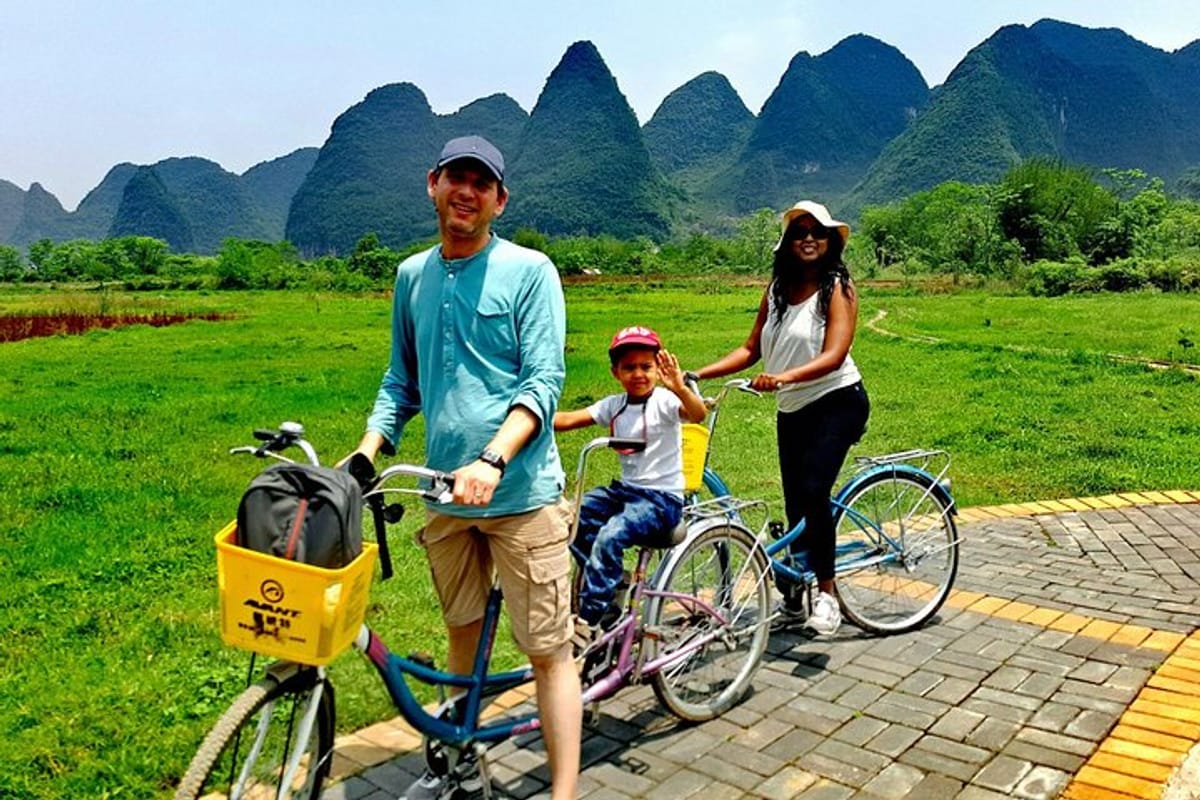
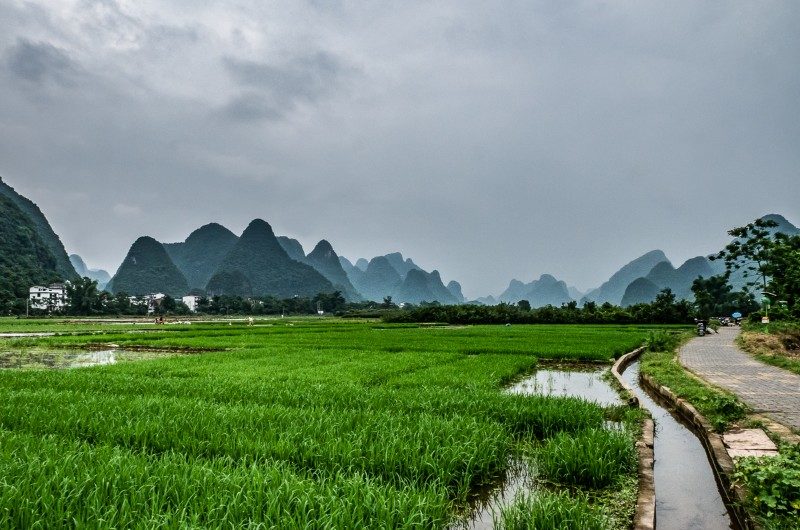
    Yangshuo, on the other hand, is where those photos were taken. It’s where the karst landscape isn’t something you glimpse in the distance—it completely surrounds you. Rent a bike for 30 RMB and within five minutes you’re cycling past limestone pillars that look like they were designed by a committee of drunk gods, all while rice farmers wave at you from their paddies.

    The countryside here isn’t a “scenic area” you pay admission to visit. It’s just Yangshuo the countryside. And it’s absurdly beautiful.

    What Guilin Actually Has Going for It

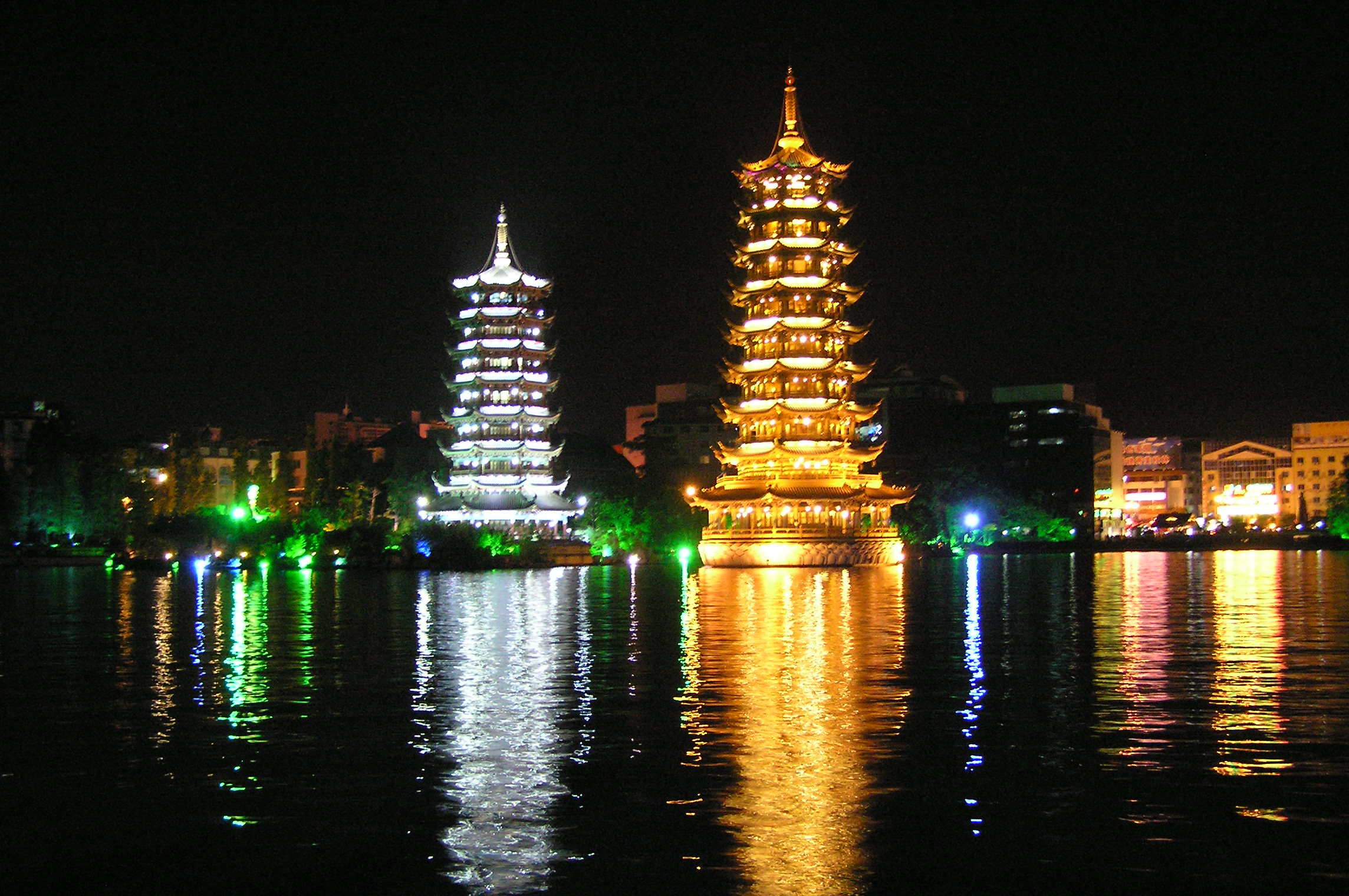
    To be fair, Guilin isn’t terrible. The Sun and Moon Pagodas (see image above) are legitimately beautiful at night, all lit up and reflected in the lake. They’re also recent reconstructions (the originals were destroyed during the Cultural Revolution), but they photograph well and give you something to do for an evening.

    There’s also the Reed Flute Cave, which is… fine. It’s a limestone cave with colored lights and groups of Chinese tour groups taking selfies. If you’ve never been in a cave before, you might enjoy it. If you’ve been in a cave before, this one is the Disney version of a cave: over-lit, over-touristed and over-shared.

    Finally there’s Seven Star Park, with a lot of concrete, man-made landscaping and a large lake featuring Elephant Hill Scenic Spot. It’s an iconic elephant-shaped hill. It’s not that beautiful or interesting.

    Guilin’s real value is as a transportation hub. It has an international airport (Liangjiang) with connections to Hong Kong, Seoul, and major Chinese cities. It’s also got the high-speed rail station if you’re coming from Guangzhou, Shenzhen, or elsewhere in China.

    But here’s the thing: you don’t actually need to stay in Guilin to use its airport or train station.

    The Direct Route to Where You Actually Want to Be

    Most hotels in Yangshuo—including Yangshuo Mountain Retreat—offer direct airport pickup from Guilin Liangjiang Airport. It’s a little over an hour by car, and you skip the whole “night in Guilin because that’s what the package tour includes” routine.

    If you’re taking the high-speed train, there’s actually a station called “Yangshuo Station” that’s much closer to Xingping than to Yangshuo town (yes, the naming is confusing). From Guangzhou, Shenzhen, or Hong Kong, you can be in Yangshuo in 2-3 hours without ever seeing Guilin city. Also, these points South offer faster access to Yangshuo, because they save you having to travel an extra 100 km North to Guilin and then come back South to Yangshuo.

    The only reason to overnight in Guilin is if:

    1. You have an early morning flight out
    2. You’re genuinely interested in the Sun and Moon Pagodas
    3. Your tour package forces you to (if you can, our personal recommendation for a very local and high quality stay is Aroma Teahouse Hotel, perfectly located on Rongshan Hu (容山湖 – the pagoda lake) with a nearby walking street featuring local craft beer and other cheeful pubs and restaurants.

    Otherwise, we recommend you skip it.

    The Li River Cruise

    This is where things get expensive and underwhelming.

    The famous Li River cruise goes from Guilin to Yangshuo—a 4-hour boat ride that costs 200-350 RMB depending on which class of ticket you buy. Chinese tour groups love it because you sit in an air-conditioned boat, staff serve you tea, and you can see the karst scenery from the water.

    It’s really not bad, but here’s why the boat ride is underwhelming:

    You’re seeing the scenery from far away, on a noisy motorboat, unable to stop or explore. It’s scenic, sure. But you’re watching a landscape scroll by like a very slow, very expensive Windows screensaver.

    The better option—and this is what independent travelers figure out once they arrive—is to skip the big boat cruise entirely and instead:

    1. Rent a bike in Yangshuo and cycle along the Yulong River. You’ll see the same karst peaks up close, you can stop whenever you want, and it costs 30 RMB for the whole day.
    2. Take a bamboo raft on the Yulong River. This is the authentic experience—an actual bamboo raft (not a tour boat), a local raftsman poling you down a quiet tributary, water buffalo wading nearby, no tour groups. It’s what the Li River cruise is trying to replicate but can’t because it’s too big, too busy and too commercial.

    The Yulong River experience costs 100-150 RMB and takes 1-2 hours depending on which section you choose. You’re on the water, you’re moving slowly enough to actually see things, and you can bring your own beverages.

    Read more: Best Things to Do in Yangshuo, Yulong River Bamboo Rafting

    So What’s the Verdict? Is Guilin Worth It?

    For 90% of travelers: No, not really.

    Unless you have a specific reason to visit Guilin city (business meeting, visiting friends, you’re a die-hard pagoda enthusiast), you’re better off heading straight to Yangshuo and using that as your base.

    Think about what you actually want from this trip:

    • Cycling through rice paddies with karst peaks all around you? Yangshuo.
    • Rock climbing on limestone cliffs? Yangshuo.
    • Bamboo rafting down a quiet river? Yangshuo.
    • Exploring ancient villages without tour buses? Yangshuo (and Xingping).
    • Family-run restaurants run by people who care about food? Yangshuo.

    Guilin gives you: a night in a city, a boat ride where you sit in rows, and bragging rights for having “done Guilin.”

    Yangshuo gives you: the photos you thought you’d take in Guilin, plus the experiences you’ll actually remember.

    The Smarter Itinerary

    Instead of the traditional “Guilin → Li River Cruise → Yangshuo” package tour route, here’s what seasoned travelers do:

    Day 0: Fly into Guilin Liangjiang Airport. Take direct transport to Yangshuo (75 minutes). Check into your hotel. If you’re staying at the Mountain Retreat, have dinner in our garden on the Yulong River, or if you’re staying in town, find a recommended restaurant somewhere on Hospital Road, (Shenshan Lu 深山路), orGuihua Lu (桂花路) not West Street.

    Day 1: Rent a bike, cycle the Yulong River countryside route. Stop at Yulong Bridge (Ming Dynasty, actually old). Have lunch in a village where they’re genuinely surprised to see foreigners. Spend the afternoon rock climbing or get a massage because your legs are sore from hiking natural trails. Evening: avoid West Street’s noise pollution, find a quiet bar.

    Day 2: Morning bamboo rafting on Yulong River. Afternoon: hire a driver to take you to Xingping, hike up to Laozhai Hill for sunset and the famous 20 RMB note view. If you’re feeling ambitious, wake up at 4:30am and go to Xianggong Hill for sunrise (it’s worth it, but you’ll need coffee).

    Day 3: Take a day trip to Longji Rice Terraces if it’s May-October and you want to see minority villages. Or stay local and explore the countryside more—there are dozens of trails and villages you haven’t seen yet.

    Day 4: Morning Tai Chi in the park with actual local retirees (not a “cultural show”). Light bike ride. Afternoon flight out from Guilin airport.

    Total nights in Guilin city: Zero.

    Total photos you’ll take that make your friends jealous: hundreds.

    Final Thoughts: Trust Your Instincts

    When you imagined this trip—what did you picture? Sitting on a tour boat with 200 other people, or being in the landscape you came to see?

    Most people book Guilin because that’s what the travel websites tell them to do. Most people who’ve actually been here tell you to go straight to Yangshuo.

    We’re giving you the benefit of 25 years hosting visitors here: Skip the city. Go to the countryside. Rent the bike. Take the bamboo raft. Wake up early for the sunrise. Find the restaurant where the menu isn’t in English.

    That’s why you came to China, isn’t it?


    Practical Info

    Getting from Guilin Airport to Yangshuo:

    • Taxi: 300-400 RMB (negotiate price before getting in)
    • Hotel pickup: 250-350 RMB (book in advance)
    • Didi (Chinese Uber): 250-300 RMB if you have the app and can read Chinese
    • Time: 75 minutes

    Getting from Guilin High-Speed Rail to Yangshuo:

    • Direct bus from Guilin North Station: 20-30 RMB, 90 minutes
    • Or take fast train to Yangshuo Station (actually in Xingping): 20 minutes, then taxi to Yangshuo town

    Where to Stay in Yangshuo: Skip West Street unless you enjoy noise and crowds. Look for places along the Yulong River or in the countryside. Yangshuo Mountain Retreat is a riverside eco-lodge with views, fresh brewed Yunnan coffee, English speaking staff and great food.

    Related Reading:


    Frequently Asked Questions: Guilin vs Yangshuo

    Is Guilin worth visiting or should I go straight to Yangshuo?

    For 95% of travelers, skip Guilin city and go directly to Yangshuo. The iconic karst mountain scenery you’re imagining is in Yangshuo, not Guilin. Guilin is a mid-sized city with traffic and smog. The only reasons to stay in Guilin are: early morning flight departure, specific interest in the Sun and Moon Pagodas, or if your package tour forces you to. Most hotels in Yangshuo offer direct airport pickup from Guilin Liangjiang Airport (90 minutes), so you can skip the city entirely.

    What’s the difference between Guilin and Yangshuo?

    Guilin is a city of 5 million people with urban infrastructure, shopping malls, and limited karst scenery views. Yangshuo is a countryside town surrounded by dramatic limestone karsts where you can bike through rice paddies, take bamboo rafts on quiet rivers, and rock climb on karst cliffs. When you search “Guilin,” the photos you see are actually from Yangshuo. Guilin is 65km north and serves primarily as a transportation hub with an international airport and high-speed rail connections.

    Is the Li River cruise from Guilin to Yangshuo worth it?

    The 4-hour Li River cruise (200-350 RMB) is scenic but passive—you’re seated in rows on a large boat watching scenery scroll by. A better alternative is bamboo rafting on the Yulong River in Yangshuo (100-150 RMB, 1-2 hours). You’ll see similar karst landscapes up close, with a local raftsman on an actual bamboo raft, and you can stop, swim, or take photos freely. Combine this with cycling the Yulong River countryside for the authentic experience the big cruise tries to replicate.

    How do I get from Guilin Airport directly to Yangshuo?

    From Guilin Liangjiang International Airport to Yangshuo takes 90 minutes by car. Options include: hotel pickup service (250-350 RMB, book in advance), taxi (300-400 RMB, negotiate price first), or Didi/Chinese ride-share apps (250-300 RMB if you can navigate in Chinese). Many Yangshuo hotels offer direct airport transfers, eliminating the need to stay in Guilin city. The high-speed train “Yangshuo Station” is actually closer to Xingping and takes 20 minutes from Guilin, followed by a taxi to Yangshuo town.

    What can you actually do in Guilin city?

    Guilin city’s main attractions are the Sun and Moon Pagodas (beautiful at night, reflected in the lake) and Reed Flute Cave (limestone cave with colored lights). Both are worth a few hours if you have time. The city also has Elephant Trunk Hill, but it’s more of a photo opportunity than an experience. Guilin’s real value is as a transportation hub—it has an international airport with connections to Hong Kong, Bangkok, Seoul, and major Chinese cities, plus high-speed rail links. Most travelers use it as a transit point to reach Yangshuo rather than as a destination.

    How many days should I spend in Yangshuo vs Guilin?

    Recommended: 3-5 days in Yangshuo, 0-1 night in Guilin. A typical smart itinerary: Arrive at Guilin Airport, transfer directly to Yangshuo (90 min). Spend 3-4 days cycling countryside routes, bamboo rafting on Yulong River, rock climbing, visiting Xingping for sunrise at Xianggong Hill, and exploring local villages. On departure day, leave early for Guilin Airport. The only reason to overnight in Guilin is if you have an early morning flight. Most travelers who spend 2-3 nights in Guilin city wish they’d allocated that time to Yangshuo instead.

    Can I visit Yangshuo from Hong Kong for a weekend?

    Yes! With the new 240-hour visa-free transit policy (10 days), foreigners from 54 countries including US, UK, Australia, and most EU nations can visit Yangshuo from Hong Kong without a Chinese visa. Take the high-speed train from Hong Kong West Kowloon to Guilin/Yangshuo (2.5-3 hours) or fly to Guilin Liangjiang Airport (1 hour). A perfect weekend itinerary: Friday evening arrival, Saturday cycling and bamboo rafting, Sunday morning Xingping/Xianggong Hill, return Sunday evening. This makes Yangshuo an easy weekend escape from Hong Kong.

    Where should I stay in Yangshuo to avoid tourist traps?

    Avoid staying on West Street unless you enjoy loud music until 2am and inflated prices. Better options: countryside hotels along the Yulong River (peaceful, authentic views), like Yangshuo Mountain Retreat, boutique hotels in the old town’s quieter alleys, or heritage properties outside the main tourist zone. Look for places that offer bike rentals, have English-speaking staff, and can arrange transport to Xingping and other day trip destinations. Hotels 2-3km from West Street give you easy access to restaurants and activities while letting you sleep at night.

  • Yangshuo Family Itineraries 2026

    Yangshuo Family Itineraries 2026

    Chose from a one-day, two-day or three-day family holiday in Yangshuo.

    At Yangshuo Mountain Retreat we’ve been organizing family holidays in Yangshuo for 25 years. Based on feedback from our tens of thousands of guests and tour guides like me, we’ve discovered the favorite activities and schedules for Yangshuo family tours. No matter the age of children, these activities can all be adapted and prepared to fit any size or type of family adventure.

    One-day Yangshuo family itinerary

    Start with a bike ride from Yangshuo Mountain Retreat to Yulong Bridge, bamboo raft trip (30 minutes). Mountain Retreat has bikes for children and also adult bikes with small child safety seats. Impression Liu Sanjie light show in the evening. With tour guide 500Yuan/day+200yuan/raft+B1/B2 tickets (300 yuan/200 yuan/person)+ transfer 110 yuan/5-seat car

    Three-day tour: 

    Day 1:  bike from Yangshuo Mountain Retreat to Yulong bridge, bamboo raft trip (30 minutes), 

    Impression Liu Sanjie light show in the evening. (flexible to switch: Ruyi Peak cable car).

    500 yuan/day+200 yuan/raft+B1/B2 tickets (300 yuan/200 yuan/person)+ transfer to the show 110 yuan/5-seat car, cable car 200 yuan/person.

    Day 2: From hotel to Ruyi Peak cable car, then drive to Silver Cave,then back to hotel (still have time for painting/calligraphy class at the hotel . Cable car 200 yuan/person, Silver Cave: 65 yuan/person, transportaion 350 yuan/5-seat car.

    Day 3: Private driver to Xianggong Mountain, then drive to Dahebei ferry to XingpingQixianfeng tea platation hotel. Tour guide 500 yuan/day. 5-seat car is 500 yuan/2 persons. Tickets for Xiangong Mountain, 60 yuan/person. Ferry fee 5 yuan/person, tea platation experience is 99 yuan/person.

    Staying at the Yangshuo Mountain Retreat makes all of the above activities easy, given our location, just four kilometers from the highway exit, seven kilometers from Yangshuo town, and immediate access to the Yulong River and 10 Mile Gallery Scenic Area in which we are centrally located.

    Book your Yangshuo family tour with us today! You can also call us or text us on WeChat @YSMountianRetreat.

  • 240-Hour Visa-Free Transit to Yangshuo: Your Complete 10-Day Guide (2025)

    240-Hour Visa-Free Transit to Yangshuo: Your Complete 10-Day Guide (2025)

    READ THIS ENTIRE GUIDE BEFORE BOOKING – Even experienced China travelers are getting caught out by entry port snags. There are limited immigration points where visa on arrival is allowed. We’ll tell you exactly what happened and how to avoid the West Kowloon Station nightmare.

    In December 17, 2024, China extended the visa-free transit from 144 hours to a full 240 hours—ten whole days without needing a visa. For the first time, travelers passing through can actually experience Yangshuo instead of just glimpsing it. It’s a game-changer for Yangshuo, especially for visitors from the US, UK, Australia, and 52 other countries who want to experience real China without the visa hassle.

    Let’s walk through exactly how this works and how to make the most of your ten days here.

    What Is the 240-Hour Visa-Free Transit Policy?

    If you’re traveling from one country to a third country (or region) and passing through China, you can now stay for 240 hours—that’s ten full days—without applying for a visa in advance. The catch? You need an onward ticket to somewhere that’s not where you came from. Hong Kong and Macau count as separate regions, which makes this policy incredibly flexible.

    The policy covers 55 countries now, including all the main Western markets. It works perfectly for guests flying into Guilin from Bangkok, Singapore, or Hong Kong, exploring Yangshuo for a week, then continuing on to another destination. The old 144-hour policy gave you six days but felt rushed. Now ten days is enough to really do a whole China city tour.

    Who Qualifies for Visa-Free Transit to Yangshuo?

    You’re eligible if you’re from one of these 55 countries: the United States, Canada, UK, Ireland, Australia, New Zealand, all EU countries, Brazil, Mexico, Argentina, Chile, Japan, South Korea, Singapore, and several others. We always tell guests to double-check the current list since Indonesia was just added in June 2025.

    The requirements are simple:

    • Valid passport with at least three months remaining
    • Confirmed onward ticket to a third country or region (Hong Kong and Macau qualify)
    • You must enter and exit through one of the 65 designated ports
    • Your plans must keep you within the 24 permitted provinces—Guangxi (where Yangshuo sits) is fully covered

    Which Entry Ports Actually Work for Yangshuo

    This is where it gets tricky, and you need to pay attention because even experienced China travelers get caught out. The 65 approved ports sound great on paper, but the reality on the ground is different.

    For Yangshuo specifically, here are your actual working options:

    • Guilin Liangjiang International Airport – This is your best bet. It’s explicitly approved, staff know the policy, and it’s a smooth process. Just one hour from Yangshuo, direct flights come from Hong Kong, Bangkok, Singapore, Kuala Lumpur, and major Chinese cities. From the airport, Yangshuo is an hour away.
    • Guangzhou Baiyun International Airport – Another solid choice if you’re routing through Guangzhou. Well-established for visa-free transit. From Guangzhou, you can take the high-speed train directly to Yangshuo Station (3.5 hours) or connect through Guilin.
    • Shenzhen Bao’an International Airport – Works well, especially if you’re coming from Hong Kong. Less crowded than Guangzhou, immigration is familiar with the policy.

    Now here’s what you need to avoid:

    Hong Kong West Kowloon Railway StationDO NOT use this entry point even though it was added to the approved list in November 2025. Here’s why: even regular China travelers who speak Chinese have been recently blindsided by this. Immigration at West Kowloon will NOT process 240-hour visa-free transit even though it’s technically on the approved list. They have sent people back out of immigration, back out of Hong Kong station entirely, to take an expensive 30 minute taxi ride to cross at Shekou instead—a tiny waterport in Shenzhen only accessible by high-speed ferry. The Shekou crossing is chaos: hardly any foreign visitors, skeletal staff, and it takes 90 minutes to process what should be a 10-minute entry. You have to buy a return ferry ticket here before you get through immigration. So, you have to come back through shekou. That means you have to get back on the boat via Shenzhen/Shekou and on arrival you’re dropped in a secure area of Hong Kong Airport where you’re not allowed to exit, only proceed to your gate.

    If you’re coming from Hong Kong, use these ports instead:

    • Shekou Port (ferry from Hong Kong) – but expect delays at immigration
    • Hong Kong-Zhuhai-Macao Bridge (Zhuhai Port) – better staffed, clearer procedures
    • Or fly into Shenzhen or Guangzhou airports (best option)

    The lesson: just because a port is on the “approved list” doesn’t mean immigration officers there actually process visa-free transit. The airports are your safest bet because they handle international travelers constantly and the procedures are established. Despite an edict from Beijing, local immigration staff, while trying their best, are somehow unable to process you at the Hong Kong West Kowloon high speed rail staion crossing.

    For Yangshuo specifically, most guests fly into Guilin Liangjiang International Airport. From there, Yangshuo is just an hour away by bus, taxi, or private car. Some guests take the high-speed train to Yangshuo Station (actually in Xingping, 45 minutes from town). The train option works if you’re coming from Guangzhou or Shenzhen after entering China through their airports, but don’t try to enter at West Kowloon Station.

    How the 240-Hour Clock Works

    This confused a lot of our early guests, so be advised: the 240 hours don’t start the moment you land. They begin at midnight on the day after your arrival.

    For example: You land at Guilin Airport at 2 PM on March 1st. Your 240-hour period starts at 12:00 AM on March 2nd. That means you must depart by 11:59 PM on March 11th. So really, you get ten days plus whatever remains of your arrival day—essentially closer to 11 days if you time it right.

    We always tell guests to book their exit flight for late evening on day 10. That maximizes your time without cutting it close.

    Getting to Yangshuo on Your Visa-Free Transit

    Guilin Liangjiang International Airport is your main gateway. From there, you have three options to reach Yangshuo:

    • Airport Shuttle Bus: The most economical choice at around 50 RMB ($7). Buses depart from the airport and go directly to Yangshuo’s northern bus station. The journey takes about 90 minutes, and schedules run throughout the day. Book your ticket at the counter near arrivals.
    • Private Car or Taxi: Costs between 270-400 RMB ($40-60) depending on whether you take the G65 highway toll road, which shaves 35 minutes off the trip. Most hotels, including Yangshuo Mountain Retreat, can arrange airport pickup if you book in advance—this eliminates the language barrier and ensures smooth transport to your accommodation.
    • High-Speed Train to Yangshuo Station: Here’s where it gets tricky. The “Yangshuo” train station is actually in Xingping, about 45 minutes from Yangshuo town. If you arrive by train, you’ll need to catch a local bus (20 RMB) or use Didi (China’s Uber, around 40 RMB) to reach Yangshuo proper. We only recommend this route if you’re comfortable navigating Chinese transport apps or have arranged pickup.
    • From Hong Kong, the high-speed train goes directly to Yangshuo Station (in the town of Xingping) and takes about 3.5 hours. But because of the inability to cross overland to China here, you should fly into Guangzhou or Shenzhen if you want to go by train to Guilin or Yangshuo.

    What You Can Actually Do in 240 Hours

    Ten days in Yangshuo is enough to experience the place like a local rather than a rushed tourist. You don’t want to try and cram everything into three days and leave exhausted. With 240 hours, you can actually slow down. Here’s what we recommend based on the season and your interests.

    Days 1-2: Settle In and Explore the Yulong River

    Start at the Yulong River, not West Street. Most tourists do it backwards and miss the heart of what makes Yangshuo special. The Yulong is quieter than the Li River, lined with rice paddies, water buffalo, and those iconic karst peaks you see on the 20 RMB note.

    Bamboo rafting is the classic experience—drifting downstream from Shuiedi Wharf to Gongnong Bridge takes about 90 minutes and costs around 120 RMB per raft. The raft drivers are mostly from villages like mine, and if your Chinese is decent, they’ll tell you stories about how this area has changed. If not, the silence and scenery speak for themselves.

    If you’re staying at Yangshuo Mountain Retreat, the bamboo raft pickup is literally a 15-minute walk from our property. We’re right on the Yulong River, so you can start your morning with coffee on the riverside terrace, then head straight to rafting. We’ve been helping guests arrange this for over 25 years—it’s seamless.

    For cycling, the riverwalk that starts at Mountain Retreat’s parking area runs 9 kilometers north along the Yulong. It’s mostly flat, paved, and passes through villages where you’ll see actual life happening—farmers working fields, kids playing, chickens running around. We provide complimentary bikes, or you can rent an e-bike if you want to cover more ground without the sweat.

    Days 3-4: West Street, Markets, and Local Food

    West Street is Yangshuo’s beating heart—chaotic, touristy, but undeniably alive. Go in the evening when the lights come on and the street performers set up. Yes, it’s crowded and yes, the prices are inflated, but it’s also where East meets West in the most wierd and interesting ways. You’ll find everything from traditional Guilin rice noodles to excellent pizza and craft beer.

    For authentic local food, skip West Street’s main drag and head to Hospital Road (Shen Shan Lu 神山路) where the real Yangshuo street food scene survives. Beer fish (pijiu yu 啤酒鱼) is the local specialty—fresh Li River fish braised in beer with tomatoes and peppers. Every restaurant claims theirs is the best; honestly, they’re all pretty similar. Just pick one that looks busy with locals.

    The morning market near Diecuilu Street is where we recommend buying vegetables, though we source from Mountain Retreat’s farms. It’s pure chaos—vendors shouting, scooters weaving through crowds, produce piled everywhere—but it’s real. Come early (7-9 AM) before the tour groups arrive.

    Day 5: Li River Cruise or Xingping Photography

    If you’re going to do the Li River cruise, this is your day. The classic route goes from Guilin to Yangshuo and takes about 4 hours. The scenery is stunning—those postcard-perfect karst mountains reflected in the water—but it’s also very touristy with large boats and crowds. Book through your hotel to avoid the worst of the scams.

    Alternatively, skip the big cruise and head to Xingping. This is where the 20 RMB note photo was taken. The view from Xianggong Hill at sunrise is worth the early wake-up call, and Xingping’s old town has preserved more of its character than Yangshuo. It’s a 40-minute drive or bus ride from Yangshuo.

    Days 6-7: Rock Climbing, Hiking, or Deeper Exploration

    Yangshuo is world-famous for rock climbing. If you’ve never tried it, local guide companies offer beginner courses on easier routes. If you’re experienced, there are hundreds of bolted routes graded for every level. The Via Ferrata (iron pathway) is perfect for people who want the thrill of climbing without technical skills—it’s basically a secured ladder system up the cliff face with safety cables. The views from the top are incredible.

    Moon Hill is the classic hike—a 20-minute uphill walk (more like a stair climb) to reach a natural arch in the karst peak. The views from the top stretch across the entire valley. Go early morning or late afternoon to avoid the heat and the crowds. There’s a small entrance fee of 11 RMB. Please check with your hotel, Moon Hill has been closed for all of 2025.

    For something more off-the-beaten-path, the Ten Mile Gallery cycling route passes through villages and rice paddies with mountain scenery on both sides. Mountain Retreat provides detailed maps of trails that most tourists never see—we’ve spent years mapping the area with our guides.

    Days 8-9: Slow Down and Live Like a Local

    By this point, you’ve seen the main sights. Now is when the 240-hour policy really shines—you have time to just exist here. Spend a morning reading by the Yulong River. Take a Tai Chi class. Get a traditional Chinese massage (30-50 RMB per hour at local shops). Explore villages like Jiuxian where they’re restoring old houses into guesthouses.

    If you’re at Mountain Retreat, we have a natural waterfall pool that’s heated in winter. Our riverside garden is where guests end up spending more time than they planned—there’s something about sitting under the karst peaks with a glass of wine that makes people cancel their afternoon plans. The pace here is different from China’s big cities. Use these days to feel it.

    Day 10: Departure and Logistics

    Your last day is mostly about timing your departure correctly. If you’re flying out of Guilin, leave Yangshuo by early afternoon to avoid any last-minute stress. It’s an hour of easy scenic highway to Liangjiang Airport. The airport bus takes 90 minutes, so factor in buffer time.

    If you’re taking the high-speed train to Guangzhou, Shenzhen, or Hong Kong, trains leave from Yangshuo Station (in Xingping) regularly throughout the day. Just remember to arrange transport to the station in advance—Mountain Retreat can organize this for you.

    Make sure your departure is before 11:59 PM on your 10th day, counting from midnight after your arrival. The authorities are strict about this.

    Where to Stay During Your Visa-Free Transit

    We’re obviously biased, but I’ll explain why Yangshuo Mountain Retreat works so well for visa-free transit guests.

    Location matters. We’re right on the Yulong River in the scenic area, which means you’re waking up to the views instead of commuting to them. The bamboo rafting starts a 15-minute walk from our front door. The riverside path is at our parking area. You’re in the landscape, not just visiting it.

    For guests on a tight 10-day schedule, this saves enormous time. People stay in town and spend half their day in transit to activities. At Mountain Retreat, you walk out your door and you’re already there. Also, we’re 10 minutes from the highway entrance/exit.

    The practical side: We’re 100% locally run—everyone working here is from villages within a few kilometers. This means we know everything about the area because we grew up here. Need to find a local craftsman? Want to visit a village festival? We can arrange things that hotels staffed by outsiders simply can’t.

    We’ve also been helping international guests since 2001, so we understand the needs of Western travelers—soft beds (or firm ones, we have both), real coffee, kid’s menus and activities, import wines, and staff who speak English well enough to handle everything from restaurant recommendations to emergency doctor visits.

    Rooms start at $65 per night, and we have configurations for solo travelers, couples, and families. Most rooms have balconies facing the river and mountains. We’re not a luxury resort—there’s no swimming pool, no spa, no gym. What we are is authentic, comfortable, and genuinely connected to this place.

    If you book directly through our website, we can arrange everything: airport pickup, activity bookings, restaurant reservations, even custom itineraries. For guests on visa-free transit who can’t afford to waste time figuring things out, this makes a real difference.

    Common Questions About Visa-Free Transit to Yangshuo

    Can I extend my 240-hour stay?

    No. The 240 hours are fixed. If you want to stay longer, you need to leave China and re-enter with a proper visa, or depart as scheduled.

    What if my flight is delayed and I overstay accidentally?

    Don’t. Seriously. Overstaying results in fines, deportation, and potential bans from future entry. Build buffer time into your departure day. Better to sit in the airport for two hours than overstay by two hours.

    Can I travel outside Guangxi Province during my stay?

    Yes! This is new with the 240-hour policy. You can travel to any of the 24 permitted provinces. People are doing Beijing-Xi’an-Guilin-Hong Kong routes now. Just ensure all your destinations are on the approved list.

    Do I need to register with local police?

    Technically yes. Hotels do this automatically when you check in—they’ll ask for your passport and entry stamp. If you’re staying with friends or in an unregistered guesthouse, you’re supposed to register at the local police station within 24 hours. Most guests in proper hotels never think about this because it’s handled.

    What about travel insurance?

    Get it. China doesn’t require it for visa-free transit, but you’re foolish to travel without it. Medical care in China is affordable by Western standards but still costs money, and you want evacuation coverage if something serious happens.

    Can I enter through Guilin and exit through Shanghai?

    Absolutely. You can enter and exit through different ports as long as both are on the approved list. Many guests fly into Guilin, spend time in Yangshuo, then take the high-speed train to Guangzhou or Shenzhen before flying out internationally.

    What about Hong Kong West Kowloon Station?

    Despite being added to the approved port list in November 2025, immigration at Hong Kong West Kowloon Railway Station is NOT reliably processing 240-hour visa-free transit. Even experienced China travelers with Chinese language skills have been turned away and forced to use alternative entry points like Shekou ferry port. If you’re coming from Hong Kong, fly into Guilin or Guangzhou airports instead, or use the Hong Kong-Zhuhai-Macao Bridge crossing. Do not rely on West Kowloon Station.

    Practical Tips from 15 Years of Hosting Transit Guests

    • Money: Bring a Visa or Mastercard that works internationally. Many places in Yangshuo still prefer cash (RMB), and while ATMs are available, they don’t always work with foreign cards. Alipay and WeChat Pay are everywhere, but setting them up as a foreigner requires you link them to your foreign credit card. If you prepare for this, it’s extremely helpful paying for everything in China. Mountain Retreat and most larger hotels accept credit cards.
    • Internet: Download a VPN before arriving in China. Google, Facebook, WhatsApp, and most Western services don’t work without one. We have free WiFi at Mountain Retreat that’s fast enough for video calls, but you’ll want internet access on your phone too. Get a Chinese SIM card at the airport better yet, or use an international roaming plan.
    • Language: Learn a few basic Mandarin phrases. Even just “ni hao” (hello), “xiexie” (thank you), and “duo shao qian” (how much) will help enormously. In Yangshuo, many people speak some English, especially in tourism businesses, but outside town, English is rare. Translation apps work but not always well.
    • Transportation: Download Didi (China’s Uber) from the Google Play or Apple Store. before you arrive and set it up with a payment method. It’s the easiest way to get around. Taxis exist but can be sketchy about meters. Mountain Retreat can also arrange private drivers for day trips—slightly more expensive but easier if you don’t want to deal with apps.
    • Weather: Check what season you’re visiting. April and October are perfect—comfortable temperatures, beautiful scenery. July-August is hot and humid with afternoon thunderstorms. December-February is cold (5-15°C) but peaceful and beautiful in a misty, moody way. Pack layers regardless of season.
    • Pacing: You have ten days. Don’t pack them solid. Build in rest time, slow mornings, unplanned afternoons. The beauty of 240 hours is having enough time to breathe. We see rushed tourists and relaxed travelers—the latter always leave happier.

    Why This Policy Matters for Yangshuo

    For most of the 1990s and 200’s, Yangshuo was mostly backpackers and climbers. Then it became domestic Chinese tour groups. Now, with 240-hour visa-free transit, we’re seeing a different kind of traveler—professionals on extended layovers, retirees combining Asia trips, digital nomads testing China as a work destination.

    The old 144-hour policy was too short. People would arrive, see West Street, do a quick Li River cruise, and leave. They never got to the Yulong River at dawn when mist hangs over the water. They didn’t have time to cycle to Jiuxian Village or sit in a tea house watching farmers work the rice paddies.

    Ten days lets you see the difference between tourist Yangshuo and real Yangshuo. That’s what excites us about this policy—it gives people enough time to understand why those of us who live here love this place so much.

    Final Thoughts: Making the Most of Your 240 Hours

    If we could give one piece of advice to someone using visa-free transit to visit Yangshuo, it’s this: don’t try to see everything. Pick a few things you really want to experience and give them proper time. Slow travel in a fast-paced world. Spend a morning bamboo rafting with nothing but the sound of water. Cycle the riverside path stopping wherever looks interesting. Sit on a balcony at Mountain Retreat with a book and coffee. Talk to locals—even if communication is broken, we appreciate the effort.

    China can be overwhelming for first-time visitors. Yangshuo is where it becomes manageable, beautiful, and genuinely moving. The 240-hour policy finally gives you enough time to feel that. When guests leave Mountain Retreat after ten days, they’re not exhausted—they’re refreshed. That’s the difference this policy makes, and that’s why I’m excited to keep guiding visitors through this landscape I’ve loved my whole life.

    If you have questions about planning your visa-free transit to Yangshuo, feel free to reach out. We’ve been helping international guests navigate this area since 2001, and we’re pretty good at it by now. reservations@yangshuomountainretreat.com


    RELATED POSTS:

    • When to Visit Yangshuo: Monthly Weather Guide
    • Bamboo Rafting on the Yulong River: Everything You Need to Know
    • Cycling Routes Around Yangshuo: From Easy to Challenging
    • West Street Yangshuo: A Local’s Guide to Food and Nightlife

  • Xingping Ancient Town: The Real 20 RMB Photo Spot (2026 Guide)

    Xingping Ancient Town: The Real 20 RMB Photo Spot (2026 Guide)

    Everyone comes to Xingping for that 20 RMB banknote shot. The one with karst mountains reflected in the Li River, a lone fisherman on his bamboo raft. It’s the postcard image of China, literally printed on the currency.

    Here’s what you might not realize: getting that photo takes about 10 minutes. Then what?

    Xingping used to be Yangshuo’s quieter, less developed neighbor. The place you’d escape to when West Street got too loud and touristy. That changed fast. In 2025, Xingping has become exactly what it used to be an escape from—packed with tour groups, souvenir shops selling identical junk, and restaurants serving overpriced mediocre food to people who’ll never return.

    But, (and this is important), get away from the ancient street, climb a mountain before sunrise, or walk 20 minutes in any direction, and Xingping still delivers something Yangshuo town can’t anymore: actual peace with real views. The scenery that made you want to visit Yangshuo in the first place.

    This guide tells you what’s worth your time, what’s a tourist trap, and how to experience Xingping the way locals (and the few remaining expats) actually do.

    That 20 RMB Shot

    It’s overrated , considering how many equally stunning spots there are on the Li River and Yulong River.The scene depicted on China’s 20 yuan note shows Yellow Cloth Shoal (黄布倒影), a stretch of the Li River where karst peaks create perfect reflections. Finding the exact spot takes minimal effort—just follow the crowds from Xingping Ancient Town toward the pier. It’s a 15-20 minute walk.

    Best time to shoot: Early morning (6-7 AM) or late afternoon (4-5 PM). Midday sun washes out the mountains and creates harsh shadows. Misty mornings in spring and autumn create that dreamy ink-wash painting effect you see in photos.

    Sheeple shot: Most people stand on the road viewpoint, snap their photo holding up a 20 yuan note, and call it done. That viewpoint is…fine. Crowded, but fine.

    For the actual banknote perspective, you need to get on the water. Either hire a small bamboo raft for 30 minutes (¥80-100 negotiable) or take the larger tourist rafts (¥216 per person for the Yangdi-Xingping route). The best angle appears about 5 minutes after leaving Xingping pier, heading upstream. We arrange these tours from Mountain Retreat all the time, just ask at reception.

    Pro tip from a local photographer: The islet just offshore from the main pier offers a unique angle most tourists miss. You can wade out during low water, or hire a small raft to drop you there for 10 minutes (¥20-30).

    What Happened to Xingping? (The 2025 Reality)

    If you visited Xingping 5-10 years ago and loved its quiet charm, prepare for disappointment.

    The ancient street (老街) has transformed into tourist central. Every other shop sells the same overpriced souvenirs, tacky “ethnic” clothing for photoshoots, and bamboo ice cream (which, is actually pretty good). The cafes and small bars that gave the place character? Mostly gone. Replaced by faceless restaurants serving tour groups.

    The Street Food Guy (an expat who lived in Yangshuo for 5 years) visited in January 2025 and said it bluntly: “Xingping is no longer the next Yangshuo—it has become Yangshuo, but without any of the spice that made Yangshuo great.”

    Here’s what’s still worth it: The scenery hasn’t changed. The Li River doesn’t care about commercialization. Laozhai Mountain still offers gorgeous sunrise views. And unlike Yangshuo, most tourists stick to the ancient street and pier area. Walk 15 minutes out, and you’ll have the place to yourself.

    Skip the Ancient Street (Mostly)

    Xingping Ancient Town has 1,700 years of history. You wouldn’t know it from the current main drag.

    Instead you’ll find shops selling bamboo products, factory made silk scarves, tea, jade (probably fake), photo studios offering Hanfu rentals (traditional Chinese dress), yogurt sellers, and restaurants with bilingual menus showing pictures of every dish.

    Does the ancient architecture exist? A bit of it. Qing dynasty buildings with gray brick 青砖 and tiled roofs line parts of the street. The opera stage from 1739 still stands. But you’ll view it all while dodging tour groups and pushy vendors.

    What’s actually worth seeing:

    Guandi Temple (关帝庙) – Built in 1739 during the Qianlong era. The opera stage has twin pillars with over 20 notches from centuries of performances. Four wood-carved panels above the stage show incredible detail. Free to enter, and tour groups mostly skip it.

    The old alleys – Turn off the main tourist street into the smaller lanes. You’ll find actual residents, family workshops making bamboo fishing tools (techniques unchanged for generations), and the occasional grandmother sitting outside sorting vegetables. No crowds. No trinket shops.

    Morning market – If you’re staying overnight, the local market near the pier (operating 6-9 AM) sells fresh produce, live fish, and street food actually meant for locals, not tourists. Prices drop to normal Chinese levels the second you step out of tourist-street range.

    In short, walk through the ancient street once for context, snap a few photos, then move on. The real joy of Xingping is elsewhere.

    Where to Actually Go: The Mountains

    Xingping’s magic isn’t in the town—it’s above it. Three mountains offer completely different perspectives on the Li River and karst landscape. Each has different crowds, difficulty, and best times to visit.

    Laozhai Mountain (老寨山): The Sunrise King

    This is THE sunrise spot near Xingping. A steep 30-minute climb (roughly 200 stone steps through bamboo groves) leads to viewpoints that photographers obsess over. The Li River curves dramatically between karst peaks, rice terraces glow green below, and riverside villages look like miniature paintings.

    The steps are well-maintained but relentless. If you’re reasonably fit and take breaks, you’ll make it. I’ve seen people from 10 to 70 successfully climb it.

    Go at sunrise (arrive by 5:30 AM in summer, 6:00 AM in winter). The summit gets crowded fast. By 7 AM, every photographer with a tripod has claimed their spot. Go for sunset if you want fewer people, though the light isn’t quite as magical.

    Halfway up, you’ll find the Peace Pavilion and Friendship Pavilion, both built in the 1990s by a Japanese traveler who fell in love with the area and stayed to help repair the mountain paths. At the summit, you can see exactly why this view appears in every “real China” photography collection.

    But be advised, It’s popular now. Really popular. During Chinese holidays (October Golden Week, Spring Festival), forget it—you’ll be shoulder-to-shoulder with selfie-stick wielders. Weekdays outside peak season? You might share the summit with 5-10 people. Magical.

    Xianggong Hill (相公山): The Photographer’s Choice

    Located across the Li River from Xingping (28km from Yangshuo), Xianggong offers the most dramatic Li River bend viewpoint. This is where professional photographers set up camp for sunrise shots that win awards.

    How to go: You can’t easily get here from Xingping without your own transport. Options include:

    • Hire a driver from Yangshuo (¥150-200 round trip)
    • Rent an electric scooter and ride yourself (~45 minutes from Yangshuo)
    • Stay at the hotel right next to the trailhead (if you’re serious about sunrise)

    The climb is 20 minutes up well-maintained steps. Not difficult, but arrive by 5 AM if you want prime tripod position. The viewpoint fills by 5:30 AM.

    The sunrise here transforms the Li River into liquid gold. Mist rises from the water, peaks emerge from shadow, and if you time it right (spring and autumn mornings), the scene looks like a classical Chinese painting come to life. This is the view you came to China for.

    It’s a schlep. Unless you’re staying nearby or hiring transport, Xianggong is logistically annoying to reach for sunrise. Worth it? If photography is your thing, absolutely. If you just want nice views, Laozhai is easier and nearly as spectacular.

    Houshan Mountain (后山): The Local Secret

    “Back Mountain” sits literally behind Xingping Ancient Town, about 2km away. Almost nobody goes here. It’s undeveloped, the trail is natural stone paths (can be slippery after rain), but the 20-minute hike leads to a viewing platform that shows both the ancient town AND the 20 yuan landscape.

    This is for people who want to escape crowds entirely. Local guides take small groups here because they know tour buses don’t bother.

    Avoid rainy season (April-June). The trail gets genuinely slippery, and fog often obscures the views. Sunny days from September-November are ideal.

    How to find it: Ask your guesthouse, or hire a local guide (¥100-200 for a half-day). It’s not signposted in English, and you’ll likely get lost trying to find it on your own unless you speak Chinese and are willing to ask a few times as you go.

    The Bamboo Rafting Question

    Should you do it? Depends. Bamboo rafting on the Li River near Xingping comes in two flavors: the official expensive route and the negotiated local option.

    Official Yangdi-Xingping Route:

    • Price: ¥216 per person (2025 rates), plus ¥35 for each empty seat (rafts seat 4)
    • Duration: 1.5-2 hours drifting downstream from Yangdi to Xingping
    • What you see: Nine Horses Fresco Hill, Yellow Cloth Shoal, multiple stunning karst formations
    • The catch: If you’re solo or a couple, you’ll pay extra for empty seats, making it expensive (¥486 for two people if no others join)

    This is beautiful. Legitimately one of the prettier sections of the Li River. But it’s also become very controlled and touristy. Official ticket office, set departure times, dozens of identical rafts floating in a line. Still worth it if you want the experience, just don’t expect rustic authenticity.

    Local Shorter Routes:

    • Price: ¥80-120 per raft (negotiable, seats 2-4 people)
    • Duration: 30 minutes to 1 hour, short loops from Xingping pier
    • What you get: The 20 RMB photo from the water, some karst views, cormorant fishing (for a fee)

    Our take: If you’re already doing the Guilin-Yangshuo cruise, skip the bamboo raft—you’ve seen the river. If you haven’t done any Li River trip, the Yangdi-Xingping route is genuinely spectacular. Just expensive. The short local rafts are fine for the 20 RMB photo but not much else.

    Cormorant fishing photo-op: You’ll see rafts with fishermen and cormorant birds. They’ll charge ¥20-50 to pose for photos. It’s completely staged (the birds are trained, not actually fishing), but if you want the traditional Chinese fishing shot, this is your chance. Up to you if it feels authentic enough.

    Where to Eat (Without Getting Ripped Off)

    Ancient street restaurants? Overpriced mediocrity aimed at tour groups who’ll never return. That German beer place? Equally overpriced, minus the charm.

    Beer fish—Xingping’s supposed specialty—costs ¥80-150 on the tourist street for versions that locals describe as bland and uninspired.

    So where do you eat? Head toward the residential areas behind the main tourist zone. Look for restaurants filled with Chinese families, not tour groups. Menus will be in Chinese only, prices drop to ¥30-50 per person, and the food actually tastes like someone cares.

    Insider tip: The morning market (6-9 AM) has street breakfast vendors selling buns, noodles, and dumplings for ¥5-15. This is what locals eat before the tour buses arrive.

    Old Street Bar – Decent reviews on Dianping (Chinese Yelp) in 2024. More expensive than true local places, but better quality than tourist traps.

    For snacks: Bamboo ice cream (served in freshly cut bamboo tubes) is actually pretty good and not crazy expensive (¥10-15). The bamboo adds a subtle earthy flavor and keeps it cold longer. Try it.

    The takeaway: Xingping’s food scene isn’t why you’re here. Eat enough to stay functional, focus on the scenery.

    Should You Stay Overnight?

    Depends on your itinerary and how much you care about sunrise.

    Reasons to stay:

    • Sunrise on Laozhai or Xianggong – The climbs start dark (4:30-5:30 AM). Staying overnight means you’re already here.
    • The ancient town after dark – Once day-trippers leave (around 6 PM), Xingping gets genuinely quiet. You can walk the alleys without crowds.
    • Sunset on the Li River – The light at 5-7 PM turns the karst peaks golden-orange. Stunning from the pier area.

    Reasons not to stay:

    • Limited nightlife – This isn’t Yangshuo. There’s basically no bar scene anymore. There’s one KTV. Quiet is the point.
    • Easy day trip from Yangshuo – Buses run frequently (¥20, 45-60 minutes). Didi taxis cost ¥60-80 for the direct trip.

    Accommodation options: Mostly small guesthouses and family-run places. Many have balconies with river or mountain views. Expect ¥150-400 per night depending on season and view quality. Nothing fancy, but clean and comfortable enough.

    Mountain Retreat perspective: We’re based on the Yulong River outside Yangshuo. Most of our guests who visit Xingping do it as a half-day trip—catch the morning bus, see the 20 RMB spot, maybe climb Laozhai for sunset, bus back by evening. Works perfectly fine. Only stay overnight if you’re chasing that golden-hour photography.

    How to Get There

    From Yangshuo:

    • Bus: Depart from Yangshuo bus station, ¥20, runs every 30-60 minutes, 45-60 minute journey. Gets you close to the ancient town.
    • Didi (Chinese Uber): ¥60-80, 35-45 minutes, drops you exactly where you want. No schedule constraints.

    From Guilin:

    • Bus: Qintan Bus Station to Yangshuo, transfer to Xingping bus. About 2-2.5 hours total.
    • Hire a car: ¥200-300, saves time if you’re in a group.
    • Li River cruise: Some cruises from Guilin pass Xingping but don’t stop. Check your specific cruise route.

    High-speed rail: Yangshuo’s high-speed train station is technically in Xingping (15-20 minutes north of town). If you’re arriving by train from elsewhere in China, you’re already close to Xingping. Just grab a local bus or taxi into town.

    What to Skip Entirely

    The fishing village photo studios – Multiple shops offer traditional Chinese dress (Hanfu) rentals plus professional photos. Costs ¥200-500 depending on outfit quality and number of photos. Look, if this is your thing, go for it. But it’s completely touristy, and every third person on the ancient street is wearing the same outfits. So 2023.

    Overpriced tea houses – Same tea house scam we warned about in the Yangshuo scams guide. Friendly stranger, “authentic” tea ceremony, ¥300-800 bill. Just don’t.

    The fish massage places – Tiny fish nibble dead skin off your feet while you sit in a shallow pool. Sanitary? Yikes. Worth it? Nope. Some of these fish carry a virus with your name on it. ¥30-50, better spent elsewhere.

    Tour operators on the ancient street – They’re booking the exact same bamboo rafts and mountain hikes you can arrange yourself, but adding 30-50% markup. Buy raft tickets at the actual pier. Climb mountains on your own (they’re well-marked).

    The Honest Assessment

    Is Xingping worth visiting in 2026? If you’re already in Yangshuo: Yes, as a half-day or day trip. The 20 RMB view, Laozhai Mountain, and the contrast between tourist chaos and empty countryside make it worthwhile.

    If you’re choosing between Yangshuo and Xingping for your base: Stay in Yangshuo (or better yet, somewhere quieter like Yangshuo Mountain Retreat). Xingping works better as a destination than a home base.

    If you’re expecting the quiet, undiscovered ancient town old guidebooks described: That’s gone. Xingping followed Yangshuo’s trajectory—just compressed into 3-5 years instead of 20.

    But here’s the thing. Get up early. Climb Laozhai before the crowds. Or walk 20 minutes outside town toward the rice fields. Xingping’s scenery hasn’t changed, and that scenery is legitimately spectacular. Some of the best in China.

    The question is whether you’re willing to wake up at 5 AM and walk away from the tourist zones to find it.

    There is a lot to do in the area if you love nature there is a good footpath along the river for a relaxing walk along the river you can also cross the river with a ferry and explore the more rural areas. There are some nice hiking routes to waterfall but need a local guide to get there most of the hotels will be able to arrange one for you the same goes for caving the caves are not set up for mass tourism, still natural and beautiful and thus you will need a guide
    who will supply you with safety gear and transport to get there. You can normally choose a 2 hour to full day tour. The most common activity is to take a trip up and down the Li River on a bamboo raft or take a river cruise to Guilin. there are a few hiking trails you can take to hike up to the top of the mountain peaks in the area with the most spectacular views of the village river and karst peaks.
    For the less active people there is a village not too far away that you can drive up or take a small tourist car it has a coffee shop at the top of the mountain where a lot of people love to go and see the sunrise over the mountains. My favorite activities are the white river rafting, not to wild but still exciting and hiking up a small river in the mountains, mostly shallow water but there are some river pools that you can swim. You can get water shoes and life jackets at the base camp if you need. There are also places
    for offroad 4-wheel ATV trips and canoeing in the area.

    –Lourens Annandale, six-year Xingping resident and chef at Nostalgia Pizzeria

    Frequently Asked Questions

    Is the Xingping 20 RMB viewpoint worth it?

    Yes, but manage expectations. The roadside viewpoint where most people stop is nice—karst peaks, Li River, photo op. Worth the trip from Yangshuo. However, the truly spectacular angle requires getting on the water via bamboo raft. Early morning or late afternoon light makes a huge difference. Go at golden hour (first or last hour of sunlight) to avoid harsh midday shadows and see the mountains glow.

    How long should I spend in Xingping?

    Most people do half a day: arrive mid-morning, walk the ancient street, get the 20 RMB photo, maybe take a short bamboo raft, then head back to Yangshuo. If you want to climb Laozhai Mountain for sunrise or sunset, add 3-4 hours. Only stay overnight if you’re serious about photography or want to experience the town after day-trippers leave around 6 PM.

    Is Xingping better than Yangshuo?

    Different, not better. Yangshuo has more restaurants, bars, activities, and accommodation options. Xingping is smaller, quieter after dark, and has the famous 20 RMB view. Yangshuo makes a better home base. Xingping makes a better day trip. Think of Xingping as a specific photo destination, Yangshuo as a full town.

    Can I climb Laozhai Mountain in Xingping?

    Absolutely, and you should. It’s a 30-minute climb (200 stone steps) that’s moderately challenging but doable for most fitness levels. The summit offers incredible views of the Li River bend and karst mountains. Best at sunrise (arrive by 5:30-6 AM) when mist rises from the river and light is magical. Weekdays are less crowded than weekends. Bring water and wear decent shoes—the steps can be slippery after rain.

    How much does a bamboo raft cost in Xingping?

    Two options: The official Yangdi-Xingping route costs ¥216 per person plus ¥35 for each empty seat on the 4-person raft (total ¥486 for 2 people if alone). This 1.5-hour trip is beautiful but expensive. Local shorter rafts from Xingping pier cost ¥80-120 per raft (negotiable) for 30-60 minute trips, enough to get the 20 RMB photo from the water but not the full scenic route.

    Where should I eat in Xingping Ancient Town?

    Avoid the ancient street restaurants—they’re overpriced tourist traps. Walk toward the residential areas behind the main tourist zone and look for places filled with local Chinese families. No English menus, prices around ¥30-50 per person, much better quality. The morning market (6-9 AM) has breakfast vendors selling noodles, buns, and dumplings for ¥5-15. For snacks, the bamboo ice cream is actually decent at ¥10-15.

    Is Xingping Ancient Town free to enter?

    Yes, walking through Xingping Ancient Town is completely free. There are no entrance fees. However, specific activities cost money: bamboo rafting (¥216 for official routes, ¥80-120 for short local trips), climbing Xianggong Hill (¥60), and optional photo-ops like cormorant fishing (¥20-50). The main viewpoint for the 20 RMB scene is free to access from the roadside.

    How do I get from Yangshuo to Xingping?

    Bus is cheapest: ¥20 from Yangshuo bus station, departs every 30-60 minutes, 45-60 minute journey. Didi taxi costs ¥60-80 and takes 35-45 minutes with no schedule constraints. If arriving by high-speed train from other Chinese cities, Yangshuo Station is technically in Xingping—take a local bus or taxi (15-20 minutes) into Xingping Ancient Town.

    When is the best time to visit Xingping?

    September to November offers cool temperatures, dry conditions, and the best light for photography. Spring (March-May) is also beautiful with blooming flowers, though occasional rain. Avoid April-June rainy season if planning mountain hikes (trails get slippery). Summer (June-August) is hot and humid but manageable with early morning visits. Weekdays are always less crowded than weekends. Chinese national holidays (October Golden Week) are a nightmare—avoid.

    Is Xingping touristy now?

    Very. What was once a quiet escape from Yangshuo has become heavily commercialized with tour groups, souvenir shops, and overpriced restaurants. The ancient street feels like any other Chinese tourist town. However, the natural scenery hasn’t changed. Wake up early, climb the mountains, or walk 15-20 minutes outside the main area, and you’ll still find beautiful, peaceful spots. The crowds concentrate in predictable zones—avoid those.


    Planning your Yangshuo trip? Stay at Yangshuo Mountain Retreat on the peaceful Yulong River. We’ll help you arrange your Xingping day trip without the tourist trap pricing, and you’ll actually get some sleep before that 5 AM Laozhai sunrise climb. Book direct for the best rates.

  • How to Avoid Tourist Scams & Traps in Yangshuo 2025 Guide

    How to Avoid Tourist Scams & Traps in Yangshuo 2025 Guide

    Yangshuo’s stunning karst mountains and laid-back riverside charm have made it one of southern China’s most popular destinations. However, as tourism has boomed, the area has been plagued by overcharging, pushy touts, and elaborate scams targeting foreign visitors.

    This honest guide, based on recent 2024-2025 traveler reports, will help you navigate Yangshuo safely while avoiding the most common tourist traps. We’ll show you how to protect yourself, where the problems typically occur, and how to ensure you get fair value for your money.

    The Current State of Yangshuo Tourism

    Yangshuo has undergone dramatic changes in recent years. What was once a peaceful foreign backpacker haven has transformed into a mass tourism destination, primarily serving domestic Chinese tour groups. According to recent visitor reports , the foreign expat community that once gave West Street its international character has largely departed, and many foreigner-owned businesses have closed. There are now just a handful of foreigner-run small pubs and restaurants and just a few hangouts for these “local” westerners. See our Best Yangshuo Bars for more.

    The tourism industry here now operates on high volume and quick turnover, which unfortunately has led to increased reports of overcharging and aggressive sales tactics. Understanding this context helps you recognize situations where you’re likely to encounter problems.

    West Street: Tourist Pricing

    West Street remains Yangshuo’s main tourist pedestrian street, but modern visitors describe it quite differently than guidebooks from a decade ago.

    Current Reality of West Street

    West Street today is extremely commercialized, packed with souvenir shops selling identical items, restaurants with inflated prices, and loud nightclubs competing to see which can blast music the loudest. Recent travelers report that the street feels more like a Chinese tourism theme park than an authentic cultural experience.

    Price Inflation: Expect prices on West Street to be 100-300% higher than elsewhere in Yangshuo. A meal that costs ¥30-40 in local areas jumps to ¥80-150 on West Street. Souvenirs marked ¥50 on West Street sell for ¥10-20 just two streets over.

    What You Should Know:

    • Initial asking prices are always inflated—haggling is expected and necessary
    • The first price quoted to foreigners is typically double what Chinese tourists pay
    • Restaurants on West Street serve overpriced, mediocre food aimed at tour groups
    • Tea shops on West Street charge exorbitant prices (more on this scam below)

    A better bet: A single walk down West Street gives you an idea of what’s available, but eat and shop on parallel streets like Hospital Road (Shenshan Lu 神山路), Chengbei Lu 城北路 or Guihua Road 桂花路 where locals actually go. You’ll find better quality at half the price. See our Recommended Yangshuo Restaurants post.

    The Tea House Scam

    This remains one of China’s most widespread scams and is still very active in Yangshuo as of 2025.

    How It Works

    A friendly local approaches you (often a young woman or student) speaking English: “Do you speak English? I’m practicing my English. Do you have time? I was just going to get some tea, would you like to join me?”

    This feels like a genuine cultural exchange opportunity. The person seems friendly, asks about your travels, and casually suggests visiting a nearby tea house to continue the conversation.

    Once inside the tea house, you’re presented with various teas to sample—10-year aged tea, 15-year aged tea, served in tiny traditional cups from miniature teapots. It feels like an authentic cultural experience.

    Then comes the bill: ¥300-800 (sometimes over ¥1000) for what you thought was just trying a few samples.

    Why It Works

    The scammer uses social pressure. You’ve been chatting for 30 minutes, they’ve been friendly, and now you’re in the tea house with staff watching. Refusing to pay feels awkward or rude. They may show you a book with “donations” from foreigners worldwide to prove legitimacy. Don’t fall for it.

    Simple rule: Never follow a stranger you just met to a tea house, bar, or restaurant—no matter how friendly they seem or how much you want cultural exchange.

    If you genuinely want to experience Chinese tea culture, visit tea houses on your own terms, ask prices upfront, and choose establishments with posted price lists. Legitimate tea houses exist, but they don’t recruit customers through street approaches.

    Red flag phrases:

    • “Do you speak English?”
    • “I’m practicing my English”
    • “I was just going to get tea/coffee”
    • “Let me show you a traditional Chinese tea ceremony”

    Notable exception: There are language schools in Yangshuo (Omeida) and they will send their Chinese students out into places popular with foreigners. These are college-aged kids who legitimately only want to practice English. It’s sometimes awkward but they are thrilled if you chat with them a little. These students will NEVER ask you to go with them or pay any kind of donation. These students usually have a foreign teacher with them.

    Fake Tour Guides and Commission Scams

    The Problem

    At tourist sites, ferry docks, and bus stations, you’ll encounter men offering tour guide services. They speak a bit of English, offer the “lowest prices,” and promise to help you arrange tickets, hotels, and transportation.

    These are not licensed tour guides. Recent reports indicate these touts work on commission from overpriced restaurants, hotels, and shops. Your “bargain” tour ends up costing more because everything you’re directed to pays the guide a kickback.

    Specific Yangshuo Examples

    “The Attraction is Closed” Scam: Taxi drivers and touts tell you your planned destination is closed today. They offer to take you to an “even better” alternative—which just happens to pay them commission. This is particularly common for people heading to Moon Hill or Xingping.

    2026 UPDATE: Moon Hill has actualy been closed all of 2025. Please check with Yangshuo Village Inn or Yangshuo Mountain Retreat reception to see if it’s open yet. Don’t pay more than 13 yuan for a ticket, this is the harmonized local price.

    Impression Sanjie Liu Ticket Scam: Touts outside the venue sell “cheap” tickets to this popular light show. The tickets are real, but you get seats so far from the stage you can’t see or hear anything. The ¥198 tickets sold through official channels provide much better value.

    How to Protect Yourself

    • Always book tours through your hotel or established companies with online reviews
    • Ignore anyone approaching you at bus stations or tourist sites offering “help”
    • If someone claims an attraction is closed, verify independently before changing plans
    • Use established platforms like Trip.com for tour bookings
    • For the Impression Liu Sanjie show, buy tickets from your hotel or official tourism offices. There are many different types of seating.

    About Liu Sanjie: The very top level ticket only offers a shelted seat with some tea and and some simple fruit. Not a great value. The next level down is partially sheltered, much cheaper and has the same great views.

    Taxi and Didi Scams

    Transportation scams remain common in Yangshuo as of 2025.

    Taxi Meter Tricks

    The Problem: Drivers “forget” to start the meter, then quote an inflated price at your destination.

    Example: A legitimate taxi ride from Yangshuo bus station to West Street costs ¥15-20. Without a meter, drivers quote ¥50-100 to foreigners.

    How to Avoid it: Before the car moves, point to the meter and say “请打表” (qǐng dǎ biǎo – “please use the meter”). If they refuse, get out and find another taxi. It’s required by law.

    Didi Route Inflation

    Didi (China’s Uber) generally works well, but recent reports from Yangshuo area describe drivers taking unnecessary detours to inflate fares.

    Example: A driver took a 30-minute detour around Moon Hill, adding ¥150 to what should have been a ¥80 fare.

    Protection:

    • Follow your route on your phone using the Didi route map you booked through (Didi App, Alipay or Wechat)
    • Use the in-app “路线问题” (route issue) complaint feature if you notice detours
    • Screenshot your route before the trip starts

    Black Taxis at Transport Hubs

    Unlicensed “black taxis” (黑车 hēi chē) swarm the Yangshuo train station and Guilin airport. They quote ¥200-300 for trips that official taxis charge ¥50-80.

    How to Identify Black Taxis:

    • Driver approaches you inside the station (official taxis wait in designated areas)
    • No official taxi license displayed
    • Meter is “broken” or they refuse to use it
    • They claim official taxis are “all busy”

    Recommendation: Only use official taxi queues or book Didi (recommended) before you arrive.

    Bicycle Rental Scams

    Cycling through Yangshuo’s countryside is a highlight for many visitors, but bicycle rental scams still occur.

    The Passport Deposit Scam

    How It Works: A rental shop demands your passport as a deposit instead of cash. You go cycling, and when you return, they claim the bike has damage that wasn’t there before. They refuse to return your passport until you pay ¥500-2000 for “repairs.”

    Some shops have a spare key and actually move or damage the bicycle themselves while you’re away.

    How to Avoid It:

    • Never give your passport as a bicycle deposit—ever!
    • Use cash deposits only (typically ¥200 for basic bikes, ¥400-500 for mountain bikes)
    • Reputable shops on West Street charge ¥10-20 per day with ¥200 cash deposit
    • Take photos of the bike before departing to document its condition
    • Inspect the bike thoroughly before paying—check brakes, tires, and pedals (take a photo).

    Recommended Rental Approach

    Rent from your hotel/hostel (often no deposit required for guests) or established shops with posted rates. Giant bike stores and hotels like Yangshuo Mountain Retreat offer reliable rentals without the passport demand. Bike rental is complimentary at Yangshuo Mountain Retreat.

    Fair 2025 Prices:

    • Basic bike: ¥10-20 per day
    • Mountain bike: ¥20-50 per day
    • Electric scooter: ¥80-120 per day
    • Tandem bike: ¥20-30 per day

    The “Attraction is Closed” Redirect

    This remains one of Yangshuo’s most frustrating scams.

    How It Operates

    You tell a taxi driver or local guide you want to visit Moon Hill, Xingping, or another attraction. They inform you it’s “closed today for renovation” or “there’s no access right now.” They offer to take you somewhere “even better” or to a tea house while you wait.

    The attraction isn’t closed—they just want commission from the alternative destination they’re suggesting.

    See above Note: Moon Hill was actually closed in 2025 due to government litigation. Verify with your hotel or check recent online reviews before changing plans.

    Prevention

    • Book activities directly with your hotel
    • Check recent reviews (within past month) on Trip.com before going
    • If told something is closed, call ahead to verify or check social media
    • Insist on going to your original destination anyway to confirm

    Counterfeit Money Scams (less common)

    Counterfeit bills remain a problem in China, including Yangshuo.

    Common Scenarios

    Scenario 1 – The Switch: You hand a taxi driver or vendor a real ¥100 note. They palm it, quickly switch it for a fake one, and hand it back claiming you gave them counterfeit money. They demand a “real” note while keeping your authentic bill.

    Scenario 2 – Fake Change: You pay ¥100 for a ¥20 purchase at a street market or small shop. Your change includes counterfeit ¥50 or ¥20 notes.

    How to Protect Yourself

    • Use electronic payment (Alipay, WeChat Pay) whenever possible—counterfeit risk is zero
    • If using cash, pay with smaller bills when possible
    • Feel the texture—real RMB has a distinct rough texture from raised printing
    • Look for the watermark, security thread, and color-shifting ink
    • Never let bills out of your sight during transactions
    • If accused of using fake money, don’t accept their “replacement”—insist on checking at a bank

    Overpriced “Local” Restaurants

    West Street restaurants have terrible reputations for overpriced, mediocre food, according to consistent TripAdvisor reviews.

    The Beer Fish Problem

    Yangshuo’s signature dish, beer fish (啤酒鱼), has become a tourist trap. Restaurants on West Street charge ¥80-150 for versions that locals describe as bland and overpriced. The same dish costs ¥40-60 in authentic local restaurants.

    Why It Happens: West Street caters to tour groups who eat there once and never return. There’s no incentive for quality—just volume.

    Where Locals Actually Eat

    • Hospital Road (Shenshan Lu 神山路): Perpendicular to Diecui Lu, has authentic Chinese restaurants at better prices.
    • Guihua Road (桂花路): Better food, lower prices, popular with domestic travelers who know better. We recommend Chongqing Sisters at the end of Guihua Lu next to the footbridge.
    • Outside the touristy center: A 20-minute walk or bike ride in any direction finds genuine local eateries
    • Yangshuo Mountain Retreat top recommendation for great authentic local food outside the main tourist strip. There is a very local eatery called Xin Xing Private Kitchen 新兴私房菜馆 (new happiness), which is located a 10 minute scooter ride south of town on Kangzhan Road (the old 321 provincial road toward Mountain Retreat and Moon Hill). Here in addition to excellent beer fish and youcha (oil tea soup – worth a try!) their overall quality is outstanding and not expensive. You own’t find English here but there are picture menus and staff are friendly. A legitimate truly local experience.

    Tip: If a restaurant has a bilingual menu with pictures and English descriptions aimed at foreigners, you’re paying tourist prices. Look for places full of Chinese families with Chinese-only menus—food will be better and cheaper.

    Bargaining: When and How Much

    Everything in Yangshuo is negotiable except restaurant meals and services with posted prices.

    General Bargaining Rules

    First quoted price to foreigners: Expect it to be 100-300% above what locals pay

    Realistic bargaining:

    • Souvenirs: Start at 30-40% of asking price, settle around 50-60%
    • Silk items on West Street: A dress quoted at ¥470 can often go to ¥200-250
    • Bicycle rentals: Some flexibility on daily rate or multi-day discounts
    • Bamboo rafting: Fixed price, government run. Buy directly from the ticket office at the jetty or through your hotel. Bring your passport or ID!

    When NOT to bargain:

    • Restaurants with menus (you just pay listed prices—or eat elsewhere)
    • Official ticket counters
    • Chain stores
    • Transportation with meters

    Bargaining Tactics

    1. Ask the price, show mild interest, walk away. Sellers often call you back with a better price
    2. Show cash – Having money ready sometimes gets better deals
    3. Buy multiple items – Volume discounts are common
    4. Stay friendly – Aggressive bargaining gets worse results
    5. Be willing to walk away – The real price reveals itself when you’re leaving

    What Yangshuo Gets Right

    Despite these warnings, it’s important to note what works well in Yangshuo:

    Legitimate Activities That Deliver Value:

    • Yulong River bamboo rafting (book directly at the river or hotel)
    • Countryside cycling (with proper bike rental)
    • Rock climbing with established schools
    • Li River cruises from Guilin (book through hotels)
    • Impression Sanjie Liu show (with proper tickets)

    The countryside remains genuinely beautiful, and most local people are honest. The scams concentrate around tourist hotspots—particularly West Street, transport hubs, and major attractions.

    Red Flags: When to Walk Away

    Trust your instincts. Walk away immediately if:

    • Someone you just met invites you anywhere for tea, coffee, or drinks
    • A “student” practices English then suggests going somewhere together
    • Anyone claims an attraction is closed without you verifying independently
    • A shop demands your passport as deposit for anything
    • Taxi drivers refuse to use the meter
    • Tours or services are suspiciously cheaper than posted rates elsewhere
    • You’re being rushed to make a decision
    • Anyone pressures you with guilt or social obligation

    How to Complain and Seek Recourse

    If you experience scams or problems:

    Immediate Action:

    • Call 110 (police) for serious issues
    • Call 12301 (national tourism hotline) for tourism complaints
    • Document everything with photos and receipts
    • Get business names, taxi numbers, exact locations

    Online Recourse:

    • Post on Chinese social media (Weibo, Douyin/TikTok) with hashtags #黑店 (black shop) or #骗子 (scammer)
    • Tag the business location—businesses hate public backlash
    • Leave detailed reviews on Trip.com and TripAdvisor to warn other travelers

    For Larger Losses:

    • Contact your embassy for legal assistance (typically for losses over $500)
    • Use WeChat Pay or Alipay complaint functions to dispute charges
    • Didi has in-app complaint options for route issues

    Smart Traveler Strategies

    Do Your Research: Read recent reviews (last 1-3 months) before booking anything. Tourism in Yangshuo changes rapidly.

    Book Through Hotels: Your accommodation has reputation to protect and usually offers fair pricing on tours and activities.

    Use Electronic Payment: Alipay and WeChat Pay eliminate counterfeit money risk and provide transaction records. Foreigners can now link these payment apps to a foreign credit card, no need for a Chinese bank account.

    Travel Light on Documents: Carry photocopies of your passport for deposits. Keep the original in your hotel safe.

    Learn Basic Phrases:

    • 多少钱?(duō shao qián) – How much?
    • 太贵了 (tài guì le) – Too expensive
    • 请打表 (qǐng dǎ biǎo) – Please use the meter
    • 不要 (bù yào) – Don’t want / No

    Staying at Yangshuo Mountain Retreat: Your Scam-Free Base

    Yangshuo Mountain Retreat offers honest, straightforward service without the tourist trap hassles. Located on the peaceful Yulong River away from West Street’s chaos, we provide:

    • Transparent pricing – All rates clearly posted, no hidden fees. Our private cars cost about the same as a regular taxi.
    • Honest activity booking – We help arrange tours at fair prices without commission
    • Free bicycle use – No passport deposits, no scams, just bikes for our guests
    • Local knowledge – We’ll tell you the real story about where to go and what to avoid
    • Direct booking benefits – Book directly with us (no third-party markups) for the best rates

    Our riverside location gives you access to Yangshuo’s beauty while keeping you away from the tourist scam hotspots.

    Final Thoughts: Don’t Let Scams Ruin Yangshuo

    Yes, tourist scams exist in Yangshuo. Yes, some practices can be frustrating. But understanding what to watch for transforms your experience from potentially stressful to genuinely enjoyable.

    The karst mountains are still breathtaking. The countryside cycling is still magical. Most local people are wonderful. The Yulong River is still peaceful. Yangshuo remains worth visiting—you just need to navigate it wisely.

    Stay aware, trust your instincts, book through reputable sources, and don’t let fear of scams prevent you from experiencing what makes Yangshuo special. Most interactions will be positive if you know what to watch for.

    Travel Smart, Stay Safe. Book your Yangshuo stay at Mountain Retreat where honesty and transparency are our foundation—no scams, no commissions, just genuine hospitality and local expertise to help you navigate Yangshuo like a seasoned China traveler.

    Frequently Asked Questions

    Is Yangshuo safe for tourists?

    Yes, Yangshuo is generally safe in terms of violent crime or personal safety. The main issues are financial scams and overcharging rather than physical danger. Petty theft (pickpocketing, items stolen from bicycle baskets) does occur in crowded areas like West Street, so keep valuables secure. Overall, Yangshuo is as safe as any major tourist destination if you stay aware and follow basic precautions.

    What are the most common scams in Yangshuo?

    The most common scams in Yangshuo include: the tea house scam where friendly locals invite you for tea then charge ¥300-800, West Street price inflation (expect 100-500% markups), fake tour guides working on commission, taxi drivers who refuse to use meters, bicycle rental passport deposit scams, counterfeit money in change, and the “attraction is closed” redirect to commission-paying alternatives.

    How much should I expect to pay for things in Yangshuo?

    Fair 2025 prices include: bicycle rental ¥10-20/day for basic bikes, ¥20-50 for mountain bikes. Electric scooter rental ¥80-120/day. Taxi from bus station to West Street ¥15-20. Local restaurant meals ¥30-50 per person. West Street restaurants ¥80-150 per person. Yulong River bamboo rafting ¥160-320 depending on route length. Budget ¥100-200 per day for basic expenses outside accommodation.

    Should I give my passport as a deposit for bicycle rental?

    Absolutely not! Never give your passport as a deposit for bicycle rental or any other service in Yangshuo. This is a known scam where shops claim damage to the bike and refuse to return your passport until you pay ¥500-2000 in “repair fees.” Legitimate rental shops accept cash deposits (typically ¥200-500) or no deposit at all if you’re staying at their hostel. Your passport is too valuable to risk.

    Are prices negotiable in Yangshuo?

    Yes, almost everything except restaurant meals and official ticket prices is negotiable. Souvenirs, clothing, bicycle rentals, and some tour services expect bargaining. Initial prices quoted to foreigners are typically 200-500% above what locals pay. Start at 30-40% of the asking price and settle around 50-60%. Always be willing to walk away—the real price reveals itself when you’re leaving. Stay friendly during negotiations for better results.

    How can I avoid the Yangshuo tea house scam?

    Never follow anyone you just met to a tea house, bar, or restaurant, regardless of how friendly they seem. The scam starts with someone approaching you to “practice English,” then casually suggesting tea. If you want authentic Chinese tea culture, visit tea houses on your own terms, check prices before ordering, and choose places with posted price lists. Red flags include strangers initiating conversation in English and suggesting going somewhere together.

    Is West Street worth visiting?

    West Street is worth a brief walk-through to see Yangshuo’s main tourist area, especially at night when it’s lit up and lively. However, don’t expect authenticity—it’s extremely commercialized with overpriced restaurants, identical souvenir shops, and very loud nightclubs. For better food at half the price, try parallel streets like Shenshan Lu or Guihua Lu where locals actually eat. West Street is more “tourist theme park” than genuine cultural experience.

    Can I use credit cards in Yangshuo or do I need cash?

    Most places in Yangshuo now accept Alipay and WeChat Pay (mobile payment apps), but foreign credit cards have limited acceptance outside major hotels. You’ll need cash for bicycle rentals, street food, small restaurants, and markets. However, be aware of counterfeit money scams with cash transactions. If possible, set up Alipay or WeChat Pay with your credit card before arriving—this eliminates counterfeit risk and provides transaction records.

    What should I do if I get scammed in Yangshuo?

    If scammed, immediately document everything with photos and receipts. For serious issues, call 110 (police) or 12301 (national tourism hotline). For electronic payment disputes, use WeChat Pay or Alipay complaint functions. Post on Chinese social media (Weibo, Douyin) with hashtags like #黑店 (black shop) or #骗子 (scammer) and tag the location—public backlash pressures businesses. Leave detailed reviews on Trip.com and TripAdvisor. For losses over $500, contact your embassy for legal assistance resources.

    How do I know if a tour guide is legitimate?

    Legitimate tour guides have visible licenses, work for established companies with physical offices and online presence, and never approach you randomly at bus stations or tourist sites. They provide written quotes with company letterhead, accept electronic payment, and have verifiable reviews on platforms like Trip.com or TripAdvisor. Red flags include: approaching you unsolicited, offering suspiciously low prices, demanding cash only, rushing you to decide, or lacking company identification. Always book through your hotel or established platforms.

  • Yangshuo Rock Climbing Guide for Beginners 2026

    Yangshuo Rock Climbing Guide for Beginners 2026

    Yangshuo Rock Climbing Guide for Beginners 2026

    Nestled between the Yulong and Li Rivers, Yangshuo has transformed from a sleepy riverside village into Asia’s premier rock climbing destination.

    With over 1,000 bolted routes scattered across 70,000+ dramatic limestone karst towers, this climbing paradise offers everything from gentle beginner routes to world-class challenges that have attracted legends like Todd Skinner and Chris Sharma.Whether you’re clipping into a harness for the first time or seeking new limestone crags, this comprehensive guide covers everything you need to know about rock climbing in Yangshuo—from the best crags for beginners to practical tips on gear, guides, and getting there.

    Why Yangshuo is Perfect for Beginner Climbers

    Yangshuo’s karst landscape creates ideal conditions for sport climbing. The limestone cliffs feature natural pockets, tufas, and crimp holds sculpted by thousands of years of erosion. Unlike many climbing destinations that cater exclusively to advanced climbers, Yangshuo offers an exceptionally welcoming environment for first-timers.

    The climbing community here is tight-knit and supportive. You’ll find experienced climbers eager to share beta, local guides who specialize in teaching beginners, and multiple climbing schools offering instruction in English. Most crags are within a 20-30 minute bike or scooter ride from town, making them easily accessible even if you’re staying in central Yangshuo.

    What makes Yangshuo special  is the diversity of routes, especially the options for shaded and sheltered routes on rainy or hot sunny days. You can progress from top-rope climbs on beginner-friendly walls to more challenging lead climbs—all while surrounded by scenery straight out of a traditional Chinese painting.

    For more detail on Yangshuo climbing we highly recommend the online climbing guide, The Crag.

    Best Climbing Spots for Beginners

    Swiss Cheese

    Swiss Cheese crag gets its name from the hundreds of natural pockets dotting the cliff face, creating perfect handholds for newcomers. This crag offers excellent shade thanks to bamboo growth at the base, making it ideal for climbing during Yangshuo’s hot summer months.

    Best for: Absolute beginners and families
    Difficulty range: 5.6 – 5.9
    Number of routes: 6-8 beginner-friendly lines
    Getting there: 15-minute bike ride from Yangshuo town, past Omeida School on Xiangshui Lu heading West, left onto the trail, about 400m.

    Routes 1 and 2 are perfect top-rope climbs for your first time on rock. Route 3 (18 meters, 5.8 difficulty) offers a gentle introduction to slightly steeper terrain. The natural pockets provide secure holds, building confidence as you learn proper footwork and body positioning.

    Wine Bottle

    Named for its distinctive bottle-shaped peak, Wine Bottle Crag is the classic training ground for beginner climbers in Yangshuo. The crag’s yellow limestone stands out beautifully against the surrounding green rice paddies.

    Best for: Beginners ready to progress
    Difficulty range: 5.6 – 5.11
    Number of routes: 20+ established lines
    Getting there: Opposite Butterfly Spring Park on the Ten Mile Gallery route about 5km outside of town.

    The first two routes are easy warm-ups, while routes 3 and 4 (5.9 difficulty) and routes 5 and 6 (5.10a) provide excellent progression opportunities. Most climbing schools bring beginner groups here because the routes are clearly marked, and offer a variety of climbing styles within a manageable difficulty range.

    Pro tip: Routes 9 and 10 require more experience—route 9 has a tricky overhang where falls are common, while route 10 features crack climbing that demands different techniques.

    Bamboo Cave

    Bamboo Cave offers a mix of beginner and intermediate routes in a stunning setting. The overhanging sections provide natural protection from rain, meaning you can often climb here even during Yangshuo’s wet season.

    Best for: Beginners with a few climbs under their belt
    Difficulty range: 5.8 – 5.12
    Number of routes: 18 routes across varied terrain
    Getting there: Near the #2 kindergarten off Shima Lu.

    The cave’s protected environment makes it popular during summer afternoons when other crags become too hot. Several routes here introduce beginners to slight overhangs and varied hold types, essential skills for progression.

    Understanding Yangshuo’s Climbing Grades

    Yangshuo uses the American Yosemite Decimal System (YDS) for grading routes. Here’s what the numbers mean for beginners:

    5.0 – 5.9: Perfect for first-timers. These routes involve basic climbing with plentiful holds and minimal technical challenge. You’ll use hands for balance but won’t need advanced techniques.

    5.10a 5.10d: Requires learning proper technique. Routes demand attention to footwork, body positioning, and route reading. Still accessible to beginners who’ve climbed a few times.

    5.11: Amateur climber territory. You’ll need to master various techniques and build considerable strength. Achievable for dedicated beginners after several climbing sessions.

    5.12+: Expert level requiring extensive training and experience.

    Most beginners start with top-rope climbs in the 5.8-5.10 range, progressing to 5.10-5.11 routes after building confidence and technique. Remember that Yangshuo’s limestone features can make routes feel harder than the same grade elsewhere—the rock demands different skills than granite or sandstone.

    Climbing Schools and Guide Services

    Karst Climber

    Established: 1999
    Specialty: Professional instruction for all levels
    Languages: English and Chinese
    Typical cost: ¥400-600 for half-day guided climbing

    One of Yangshuo’s pioneering climbing organizations, Karst Climber (also formerly operating as Karst Café) has introduced over 300 groups to the area’s climbing opportunities. Their guides are known for personalized attention and patient instruction, making them excellent for nervous first-timers.

    Zen Quest Adventures

    Established: 2011
    Specialty: Schools groups, English and Chinese speaking clients.
    Languages: English and Chinese
    Typical cost: ¥500-700 for half-day guided climbing

    Zen Quest offers many summer time activities for Yangshuo visitors and runs programs for International Schools all over China during the rest of the year. Professional western style service, with qualified guides and the ability to provide advanced courses in rope work and multi pitch climbing.

    Rock Abond 

    Established: 2021
    Specialty: Climbing performance coaching, social media, events. Led by a lengendary Yangshuo climber.
    Languages: English and Chinese
    Typical cost: ¥ Unknown

    Although this company is quite new, they have an indoor climbing gym in Yangshuo and a base camp on the Jinbao River. They can offer full packages and or guided climbing. The owners have lived in Yangshuo for around 20 years and support the community. They also coach some of China’s strongest youth team members in their gym. They also own Rock Abond Inn.

    Jerry  Climbing guides

    Established: 2021
    Specialty: The king of climbing social media in Yangshuo
    Languages: English and Chinese
    Typical cost: ¥ Unknown

    Jerry is a climbing guide in Yangshuo who takes his own clients. He has a big following on Xiaohongshu and is great at arranging your climbing photos. No insurance or risk assessments, but lots and lots of fun, both on and off the rock!

    What’s Included in Guided Climbing

    Most half-day guided climbing adventures include:

    • Transport to and from the crag
    • All necessary equipment (harness, helmet, shoes, ropes, carabiners)
    • English-speaking guide/instructor
    • Instruction on belaying, climbing technique, and safety
    • Typically 3-4 hours at the crag
    • Small group sizes (usually 2-6 climbers per guide)

    Equipment: Rent or Bring Your Own?

    Rental Options

    All climbing schools and shops in Yangshuo offer equipment rental for their clients. Typical costs:

    • Climbing shoes: ¥20-40 per day
    • Harness: ¥20-30 per day
    • Helmet: ¥10-20 per day
    • Full equipment package: ¥60-100 per day

    Important note: Rental climbing shoes may feel unfamiliar or not fit perfectly. If you own climbing shoes that fit well, bring them. Proper-fitting shoes make an enormous difference in your climbing performance and comfort.

    What to Bring from Home

    If you’re planning multiple climbing days, consider bringing:

    • Your own climbing shoes (if you have them)
    • Chalk bag and chalk
    • Comfortable athletic clothing
    • Personal belay device (if experienced)
    • Sun cream, light long sleeves or mosquito spray.

    Leave at home:

    • Ropes and quickdraws (rental quality is excellent)
    • Crash pads (not needed for sport climbing)
    • Heavy gear (all necessities available locally)

    Best Time to Climb in Yangshuo

    Autumn (September – November) ★★★★★

    Peak season for climbing. Cool, dry weather creates ideal conditions with temperatures ranging from 15-25°C (59-77°F). October and November are particularly spectacular, with clear skies, low humidity, and comfortable temperatures perfect for all-day climbing sessions.

    Pros: Perfect weather, great visibility, dry rock
    Cons: More crowded in October, higher accommodation prices, book guides in advance

    Spring (March – May) ★★★

    Pleasantly mild with frequent rain. Temperatures climb from 15°C in March to 25°C by May. The countryside bursts with blooming flowers and fresh green growth, creating stunning backdrops for your climbs.

    Pros: Beautiful scenery, moderate crowds, comfortable temperatures
    Cons: Higher humidity, frequent rainy days (though many crags have overhangs for wet-weather climbing)

    Winter (December – February) ★★★★

    Yangshuo’s “winter” is mild by most standards, with daytime temperatures around 10-18C° (50-64°F). Shorter daylight hours and occasional cold snaps can challenge climbing plans, but many days remain perfectly climbable.

    Pros: Quiet crags, low prices, crisp air
    Cons: Chilly mornings, shorter days, need warm layers

    Summer (June – August) ★★★★

    Hot and very humid with frequent rain. Temperatures hover around 30-35°C (86-95°F). However, many crags feature overhanging sections that provide shelter from both sun and rain.

    Pros: Extended daylight hours, overhanging routes stay dry.
    Cons: Very hot afternoons, daily rain likelihood, slippery holds when humid. Peak season accommodation prices.

    Pro tip: If climbing in summer, start early (before 8 AM) or climb shaded crags like Swiss Cheese. The overhung routes at crags like Bamboo Cave remain climbable even during afternoon downpours.

    Getting to the Crags

    Most climbing areas sit within a 30-minute journey from central Yangshuo. Here’s how to reach them:

    By Electric Scooter (Best Option)

    Electric scooters cost ¥80-120 per day and zip you to crags in 10-15 minutes. No special license required for electric models. Most rental shops provide simple instructions and a map.

    Pros: Fast, effortless, explore multiple crags in one day
    Cons: More expensive than bikes, need to manage battery charge

    By Bicycle (if time isn’t a factor)

    Rent a bike for ¥10-20 per day from virtually any accommodation or shop on West Street. The mostly flat countryside roads make cycling easy and enjoyable. Routes to popular crags like Swiss Cheese and Wine Bottle follow scenic paths through rice paddies and villages.

    Pros: Affordable, enjoy scenery, easy navigation
    Cons: Tiring in summer heat, 20-30 minute rides

    With a Guide (Hassle-Free)

    Guided climbing trips include transportation, eliminating navigation concerns. Guides typically use small vans or minibuses that accommodate groups.

    Pros: Zero logistics, direct to crag, combined with instruction
    Cons: Less flexibility, set departure times

    Essential Safety Tips for Beginners

    1. Always Climb with a Guide or Experienced Partner

    Never climb alone in Yangshuo. The area has limited cell service at many crags, and emergency response can be slow in rural areas.

    2. Check Your Gear

    Before every climb:

    • Inspect your harness for proper fit and secure buckles
    • Check for rope wear or fraying
    • Ensure carabiners lock properly
    • Verify helmet fit

    3. Learn Proper Commands

    Master these essential climbing communications:

    • “On belay?” (Climber to belayer: Are you ready?)
    • “Belay on” (Belayer to climber: I’m ready)
    • “Climbing” (Climber to belayer: I’m starting)
    • “Climb on” (Belayer to climber: Go ahead)
    • “Take” (Climber to belayer: Pull the rope tight)
    • “Slack” (Climber to belayer: Give me more rope)
    • “Lower” (Climber to belayer: Lower me down)

    4. Wear a Helmet Always

    Yangshuo’s karst limestone can be fragile, with loose rock common at some crags (especially Moon Hill). Helmets protect against falling rocks from climbers above and impacts if you swing into the wall.

    5. Bring Essentials

    Pack these items:

    • Sun protection: Hat, sunglasses, SPF 50+ sunscreen (sun reflects strongly off limestone)
    • Water: At least 2 liters per person for a half-day of climbing
    • Snacks: Energy bars or fruit for sustained energy
    • Bug spray: Mosquitoes thrive in the humid climate
    • Small first aid kit: Band-aids, antiseptic, tape

    6. Know Your Limits

    Don’t let ego override safety. If a route feels too difficult, there’s no shame in asking to be lowered. Yangshuo’s climbing community celebrates safe climbing over bravado.

    What to Expect on Your First Climbing Day

    Morning: Most climbing trips depart between 8:30-9:30 AM. You’ll meet your guide at their shop or at a designated meeting point. The group (typically 2-6 people) travels together to the crag.

    At the Crag: Your guide will:

    • Demonstrate proper harness fitting and safety checks
    • Teach basic climbing technique (balance, footwork, handholds)
    • Show you how to belay (if you’re in a pair or small group)
    • Set up top-rope anchors on beginner routes

    Your Climbs: Expect to complete 4-8 routes during a half-day session, depending on the group’s speed and stamina. Most beginners find their arms “pumped” (exhausted) after 3-4 climbs—this is completely normal.

    Afternoon: Return to Yangshuo typically around 1:00-2:00 PM. You’ll feel exhausted but exhilarated. Arms will be sore (this improves with repeated climbing).

    Beyond Climbing: Complete Your Yangshuo Adventure

    After a morning on the rock, Yangshuo offers countless ways to spend your afternoon:

    • Bamboo rafting on the Yulong River: Gentle 1-2 hour float through pristine countryside
    • Countryside cycling: Explore rice paddies, ancient bridges, and quiet villages
    • River swimming: The Li River near Yangshuo offers refreshing dips (Secret Beach is popular)
    • West Street exploration: Browse shops, sample local food, people-watch on the ancient street
    • Cooking classes: Learn to make local specialties like beer fish
    • Sunset at viewpoints: Climb Moon Hill’s hiking trail (separate from climbing routes) for spectacular views

    Where to Stay: Yangshuo Mountain Retreat

    For climbers seeking the perfect base, Yangshuo Mountain Retreat offers an ideal combination of riverside tranquility and convenient access to climbing areas. Located just 15 minutes by bike from crags like Swiss Cheese and Wine Bottle, the retreat provides:

    • Direct crag access: Close proximity to major climbing areas
    • Local expertise: Staff can arrange climbing guides and provide detailed route information
    • Comfortable recovery: Riverside rooms perfect for post-climbing relaxation
    • Bike rentals: Free bicycles for guests to reach climbing areas independently
    • Community atmosphere: Meet fellow climbers and outdoor enthusiasts

    The retreat’s location on the Yulong River places you away from the tourist crowds of West Street while keeping you within easy reach of both climbing and town amenities. Another lower-cost option is Yangshuo Viage Inn located across from Moon Hill.

    Frequently Asked Questions

    Is Yangshuo good for beginner rock climbers?

    Yes, Yangshuo is excellent for beginners. Multiple crags feature routes in the 5.6-5.9 range specifically suited for first-time climbers. The area has numerous climbing schools with English-speaking instructors, well-maintained equipment rental, and a supportive climbing community. Most beginner routes are well-bolted sport climbs with clear protection, making them safer and more confidence-building than traditional climbing areas.

    How much does rock climbing cost in Yangshuo?

    A half-day guided climbing experience with equipment included typically costs ¥400-150 (approximately $55-180 USD) . This includes transportation, all necessary gear, instruction, and usually 3-4 hours at the crag. If climbing independently, daily equipment rental runs ¥60-100. Multi-day packages and group bookings often receive discounts.

    Do I need climbing experience to try rock climbing in Yangshuo?

    No prior experience is necessary. All climbing schools offer introductory sessions designed for absolute beginners. Guides teach everything from putting on a harness to basic climbing technique. Most first-timers successfully complete several routes on their first day. However, reasonable fitness helps—climbing uses muscles you might not regularly engage.

    What’s the difference between top-rope and lead climbing?

    Top-rope climbing (recommended for beginners) has the rope already anchored at the top of the route. As you climb, your belayer takes in slack, so if you fall, you only drop a few inches. Lead climbing (for experienced climbers) involves clipping the rope into protection points as you ascend. Falls are longer and more dynamic. All beginners start with top-rope climbing in Yangshuo.

    Can I rent climbing shoes in Yangshuo?

    Yes, all climbing schools and shops rent climbing shoes for ¥20-40 per day for their clients. Don’t expect equipment rental unless you’re climbing eith that guide. However, rental shoes may not fit perfectly or feel comfortable. If you own well-fitting climbing shoes, bring them—proper footwear significantly improves your climbing experience and performance.

    When is the best time of year to go rock climbing in Yangshuo?

    October through January is optimal, offering cool temperatures (15-32°C), dry conditions, and clear skies. Spring (March-May) is the worst time because of frequent rain, but still possible. Summer (June-August) can be very hot and humid with afternoon showers, but manageable with early starts or shaded crags. Winter (December-February) is quieter with mild temperatures, though some days can be chilly or rainy, this is the best time for climbing in Yangshuo.

    How physically demanding is rock climbing for beginners?

    Expect your forearms, fingers, and core to feel worked after climbing. Most beginners find their arms “pumped” (exhausted and shaky) after 3-4 routes. This is normal and improves quickly with repeated climbing. General fitness helps, but climbing uses specific muscle groups that develop only through practice. Start with shorter, easier routes and rest between climbs.

    Is rock climbing in Yangshuo safe?

    Yes, when following proper safety procedures with qualified guides. All sport climbing routes are bolted, and reputable schools maintain equipment to high standards. Climbing schools prioritize safety through proper instruction, equipment checks, and appropriate route selection. However, climbing always carries inherent risks—helmets are mandatory, and following guide instructions is essential.

    What should I wear for rock climbing in Yangshuo?

    Wear comfortable athletic clothing that allows full range of motion: stretchy pants or shorts, a t-shirt or tank top, and closed-toe shoes (climbing shoes will be provided). Avoid loose jewelry, watches, or anything that might catch. Bring layers as mornings can be cool. Long pants protect your knees when scrambling to routes.

    Can children try rock climbing in Yangshuo?

    Yes, many climbing schools welcome families with children aged 6 and up. Swiss Cheese Rock is particularly family-friendly with its abundant holds and moderate difficulty. Guides adjust instruction for younger climbers, focusing on fun and building confidence. Children often excel at climbing due to their favorable strength-to-weight ratio.